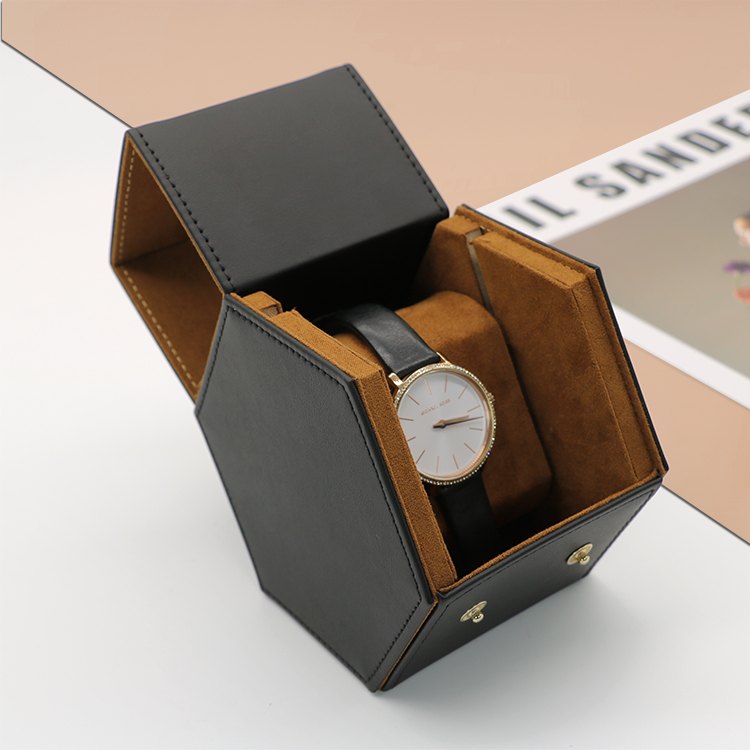
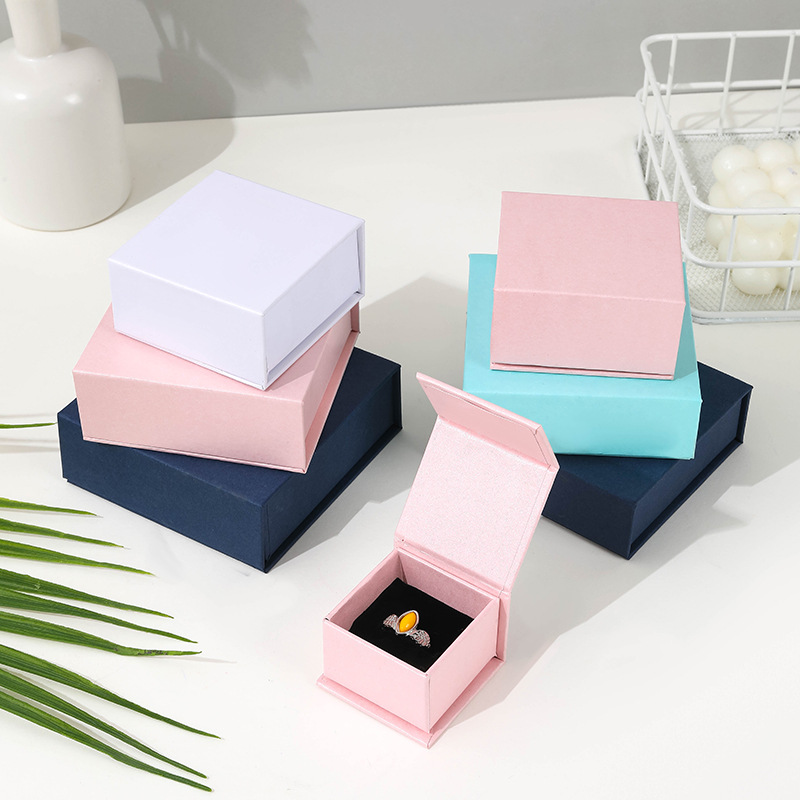
Jewellery packaging has to do more than look attractive. It must hold a small and often delicate product securely, present it at the right angle, reflect the brand, and remain consistent across production runs. Custom jewellery boxes bring these requirements together in one packaging system built around the product.
Start With the Jewellery, Not the Box
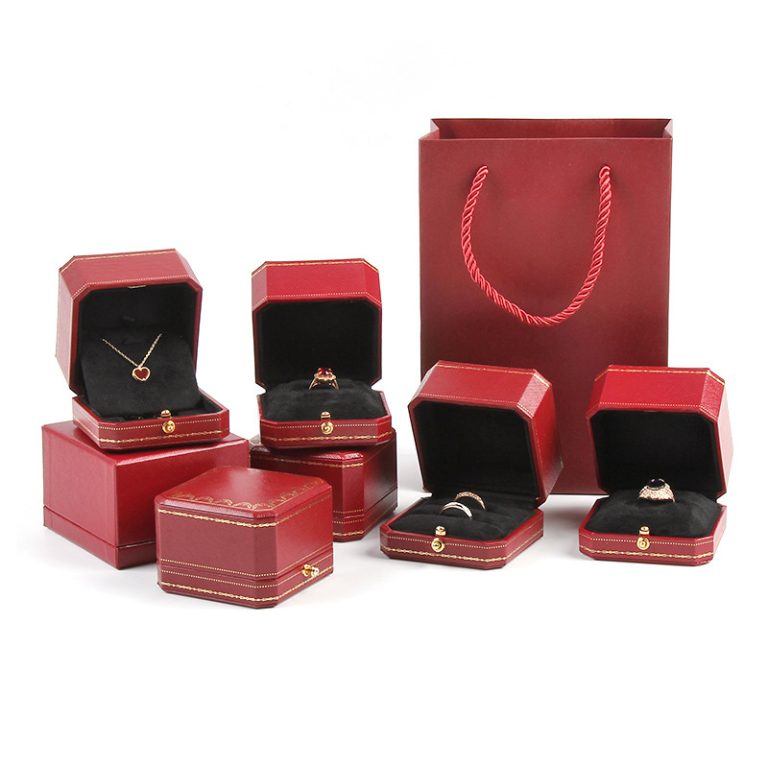
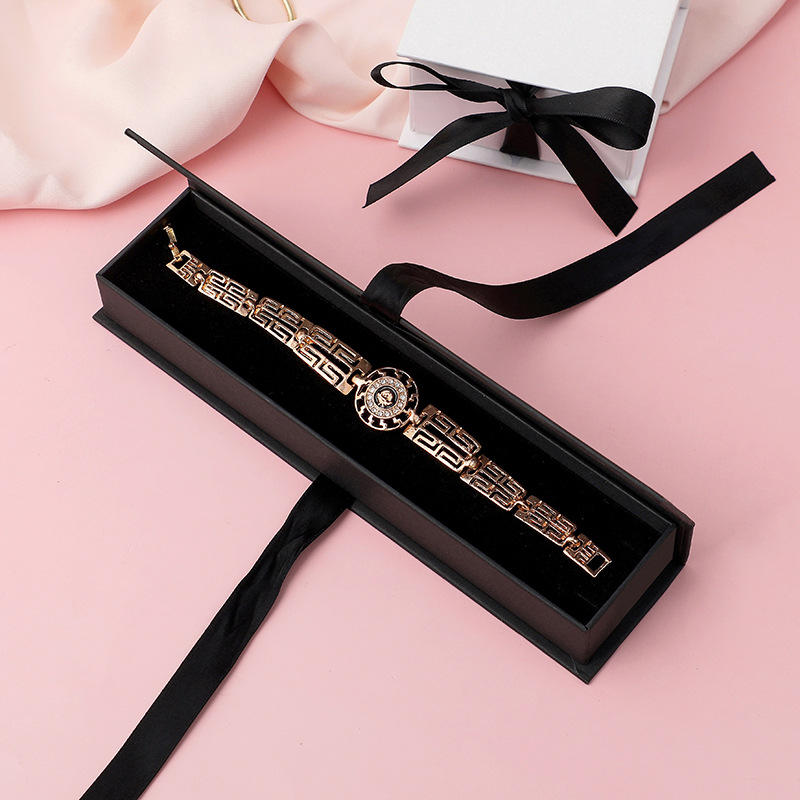
The jewellery itself should determine the packaging structure. Rings need a secure slot with enough clearance under the lid. Earrings need stable positioning so pairs remain aligned. Necklaces require fixing points that reduce movement and tangling. Bracelets and bangles need more internal width, while complete jewellery sets may require several compartments in one presentation box.
This is why we normally define the product dimensions, display position and insert arrangement before finalizing the external box size. A box that is only a few millimetres too shallow can press against a raised stone, while an oversized insert can allow the product to move during shipping.
Our jewellery packaging range covers ring boxes, earring boxes, necklace boxes, bracelet boxes, bangle boxes and full-set boxes, with individual structures designed around the way each item is displayed and removed.
| Jewellery Type | Main Packaging Priority | Common Internal Solution |
| Anel | Secure upright presentation | Ring slot or cushioned holder |
| Earrings | Keep pairs aligned | Slotted pad or earring card |
| Colar | Reduce chain movement | Hooks, tabs and pendant support |
| Pulseira | Support longer dimensions | Long padded insert |
| Bangle | Maintain circular shape | Cushion or raised holder |
| Jewellery set | Present several items together | Multi-compartment insert |
Choose a Material That Matches the Brand Position
Material changes both the appearance and the way a jewellery box feels in the customer’s hand. There is no single material that works for every collection.
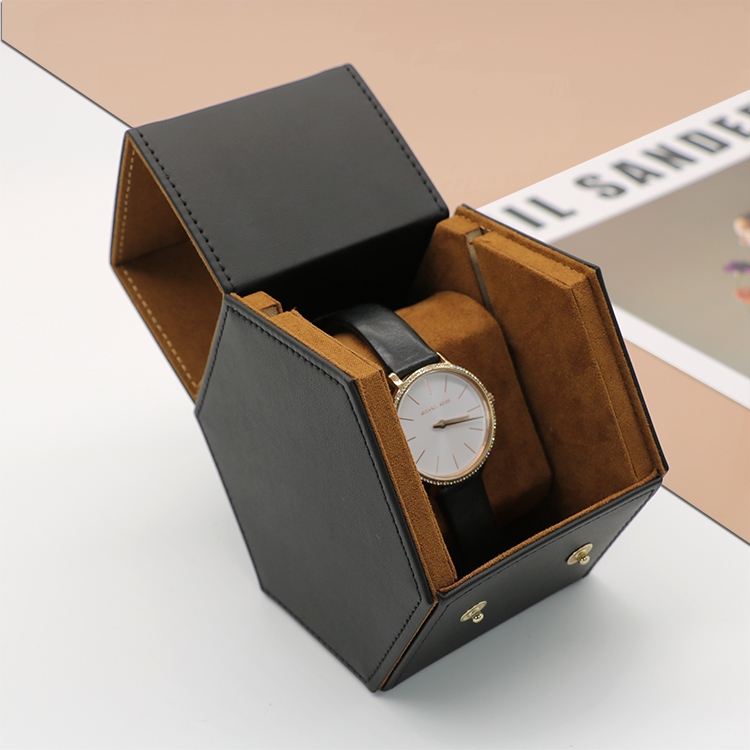
Rigid paper boxes are suitable for brands that want a clean retail presentation, wide printing flexibility and efficient production. Velvet creates a softer, traditional jewellery presentation. PU and leather-style surfaces provide a more structured finish and work well with debossing, foil logos and metal details. Wooden boxes can support higher-value gift sets where weight and long-term storage are part of the positioning.
JERL also produces jewellery pouches, paper bags and related accessories, which makes it possible to coordinate the box, pouch and outer retail packaging as one visual system rather than sourcing each component separately.
The best choice should consider product value, target retail price, sales channel, expected order quantity and shipping requirements together.
Make Branding More Than a Logo
Personalized jewellery packaging works best when every visible detail follows the same brand direction. Logo placement is important, but color, texture, interior contrast, graphics and finishing have just as much influence on the final result.
We can customize exterior colors, internal colors, graphics, box dimensions, inserts and logo treatments. For brands with several jewellery categories, the same design language can also be carried across ring, necklace, bracelet and set boxes while changing only the dimensions and internal structure.
This creates a recognizable packaging family. A customer opening a small ring box and another receiving a larger necklace box should still feel that both products come from the same brand.
Match the Finishing Process to the Surface
Finishing should support the design rather than compete with it. Foil stamping gives logos a reflective metallic effect and is often used on rigid paper or velvet-style packaging. Embossing raises selected elements, while debossing presses them into the surface. Spot UV can add contrast to printed areas, and screen printing is useful for selected papers, fabrics and specialty surfaces.
At JERL Packaging, our production equipment includes Heidelberg printing machines, hot stamping equipment, spot UV machines, automatic die-cutting, lamination and glue-binding equipment. This allows structure, printing and finishing requirements to be considered together instead of treating decoration as a separate final step.
Color control also matters. A visually simple box can still fail a brand approval if the logo shifts position, foil edges are unclear or the color varies between components.
Design the Interior for Protection and Presentation
The insert is one of the most important parts of a custom jewellery box because it controls both product protection and presentation.
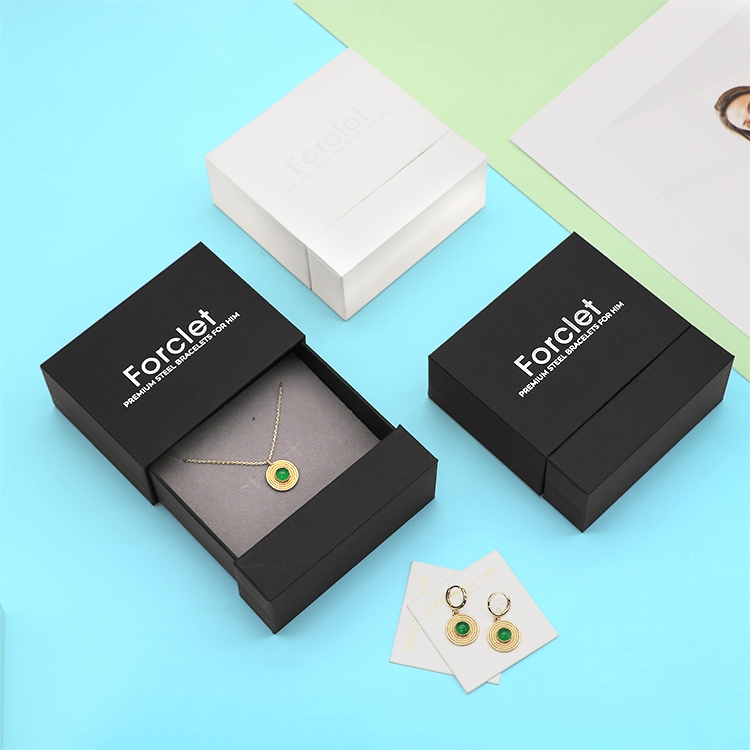
A good insert should keep the jewellery centered without making removal difficult. It also needs enough clearance from the lid and surrounding walls. Foam, paperboard, velvet-covered supports, fabric-lined pads and custom-cut structures can all be used depending on the product.
Visual contrast should also be considered. Gold jewellery on a warm beige lining creates a different effect from the same piece on black, white or dark green. For e-commerce brands, this contrast can also influence how consistently the product appears in unboxing photos and customer-generated content.
The insert should therefore be approved with the actual jewellery whenever possible, not only from a drawing.
Treat Sampling as a Production Specification
Sampling is the stage where a packaging idea becomes something that can be manufactured repeatedly. We use the prototype to confirm size, insert fit, color, logo position, surface quality, opening action and overall presentation.
Once the sample is approved, it becomes a reference for production and inspection. Our quality workflow includes a pre-production meeting, approved sample references at the production line, daily quality reporting, inline inspection and final inspection.
This process helps reduce a common sourcing problem: approving an attractive prototype but receiving bulk packaging that differs in fit, color or finishing.
Key operating data for custom projects include:
| Project Area | JERL Packaging Reference |
| Facility | 8,000 sqm vertically integrated operation |
| Team | 100+ skilled professionals |
| Produção | 5 fully automated production lines |
| Sample timing | Typically 3–5 working days |
| Custom production | Typically 7–15 working days after sample approval |
| Final quality check | Inspeção final de 100% antes do envio. |
| Certifications | ISO 9001 and FSC |
Actual timing depends on quantity, materials, structure and finishing complexity, so project dates should be confirmed before production begins.
Build Sustainability Into the Specification
Sustainable jewellery packaging should be defined through materials and construction rather than broad environmental claims.
Paper-based structures, right-sized boxes and simpler material combinations can reduce unnecessary packaging. FSC-certified paper options can also be specified when responsible fibre sourcing is part of the buyer’s requirement. Recycled or paper-based inserts may be suitable for some collections, while higher-protection materials may still be necessary for others.
The complete packaging system should be reviewed together. Replacing one component with an alternative material has limited value if the box becomes unnecessarily large, requires extra protective layers or performs poorly during transport.
Choose a Manufacturer That Can Control the Whole Project
A custom jewellery box supplier should be evaluated on more than its product photographs. Buyers need to know who handles structural development, printing, finishing, sample approval, inspection and corrective action.
At JERL Packaging, we support projects from design and engineering through sampling, manufacturing and delivery. Our capabilities include rigid paper boxes, wooden boxes, velvet boxes, PU and leather-style boxes, jewellery pouches, bags and packaging accessories. We also provide structural and graphic design support, allowing the box, insert and artwork to be developed as one production specification.
This approach is particularly useful for brands that need several packaging sizes or want boxes, bags, ribbons, cards and other components to follow the same visual standard.
A well-designed custom jewellery box should protect the product, communicate the brand and remain practical to reproduce. When dimensions, materials, inserts and finishes are specified together, personalized jewellery packaging becomes a reliable part of the product rather than an accessory added at the end.
Ready to Develop Your Jewellery Packaging?
Share your jewellery type, dimensions, target quantity, logo artwork and reference images with our team. You can request an online packaging quote or review our custom packaging service before moving into sampling. We can help assess the box structure, insert, materials and finishing required for production.
Perguntas frequentes
What is the MOQ for custom jewellery boxes?
The MOQ depends on the box structure, material, dimensions, logo process and level of customization. JERL also carries standard products for small-volume requirements, while fully custom packaging is quoted according to the production specification.
How long does it take to make a custom jewellery box sample?
Sampling normally takes about 3–5 working days after the structure, materials and artwork are confirmed. More complex structures or special finishes may require additional time.
Can you put our logo and brand colors on the jewellery boxes?
Yes. We can customize colors, graphics and logo placement and support processes such as foil stamping, embossing, debossing, UV finishing and screen printing. Providing vector logo artwork and clear color references helps improve production accuracy.
What materials are available for custom jewellery packaging?
Options include paper-based boxes, wood, velvet, PU and leather-style materials, as well as jewellery pouches and bags. Inserts can also be designed around rings, earrings, necklaces, bracelets, bangles or complete jewellery sets.
Can custom jewellery boxes use FSC-certified materials?
Yes. FSC material options are available for appropriate paper-based packaging projects. Material selection should be confirmed during quotation so that the box structure, surface finish, insert and sourcing requirement can be assessed together.