A lower box price is useful only when the package still fits, survives handling, and looks deliberate. Cosmetic brands often lose budget through oversized structures, unnecessary finishes, and late changes. A sound cost plan protects the product, concentrates visual value in one controlled detail, and gives the converter a complete specification early.
Cost Follows the Packaging Specification
A quote for custom cosmetic boxes is built from dimensions, structure, material, print, finish, insert, quantity, packing, and delivery terms. A generic unit price hides the choices that move cost. Separate setup charges, per-unit manufacturing, sampling, freight, duties, and unsold-stock exposure.
Begin with a product list and sales plan. Record each container’s maximum dimensions, weight, closure, surface sensitivity, and sales channel. Add quantity, destination, and required date. These inputs let a supplier quote comparable options instead of filling gaps with assumptions.
Product Protection Sets the Spending Floor
Protection is the part of the budget that should not be removed blindly. A glass bottle may need clearance from rigid walls, a pump needs support that does not press the actuator, and decorated containers may need a soft or nonabrasive contact surface. The insert must hold the heaviest item during the intended route while keeping labels and caps aligned when the box opens.
A cheaper component can raise total cost through movement, leakage, scuffing, or repacking. Define acceptable condition and review a loaded sample before production. The box and insert must meet fit, handling, and presentation requirements; other features can then be compared.
Right Sizing Reduces Material and Freight Exposure
Box volume affects board area, insert size, case packing, storage, and sometimes freight. Carriers such as UPS compare actual weight with dimensional weight, which reflects the space a parcel occupies. A retail box that forces a larger shipper can therefore increase logistics cost even when the cosmetic product itself is light.
Use measured tolerances instead of forcing every product into one universal box. Shared footprints can reduce dielines when containers genuinely fit one structure. A rationalized insert may manage modest height changes; a large box across a varied range merely moves cost into empty space and filler.
Production Steps Reveal the Cleanest Savings
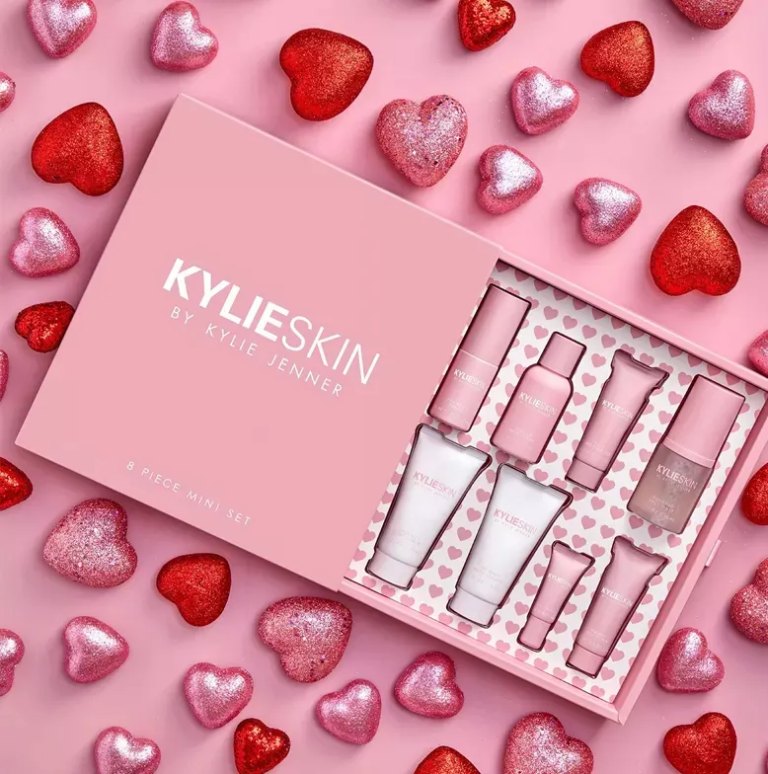
Every added operation needs setup, handling, and quality control. A cosmetic paper packaging box may combine coated or textured paper, rigid board, custom printing, lamination, foil, spot UV, embossing, and a fitted tray. Using all of them at once rarely creates the clearest brand result.
Choose one focal effect and simplify the supporting surfaces. A restrained printed pattern with one foil logo may carry more identity than foil, embossing, spot UV, and specialty paper competing together. The artwork should also keep small text away from folds and reduce unnecessary color changes across related SKUs, which makes proofing and production control easier.
| Cost Lever | Lower Cost Direction | Requirement to Preserve |
|---|---|---|
| Footprint | Fit measured products and reduce unused volume | Clearance, closure, and case packing |
| Structure | Use a proven construction when it meets the brief | Opening experience and stacking strength |
| Keep a stable color system across the range | Legibility and brand consistency | |
| Finish | Concentrate one premium effect in a focal area | Scuff resistance and placement accuracy |
| Insert | Compare paper card, foam, or other supported options | Restraint, surface protection, and alignment |
The Insert Must Be Priced as Part of the System
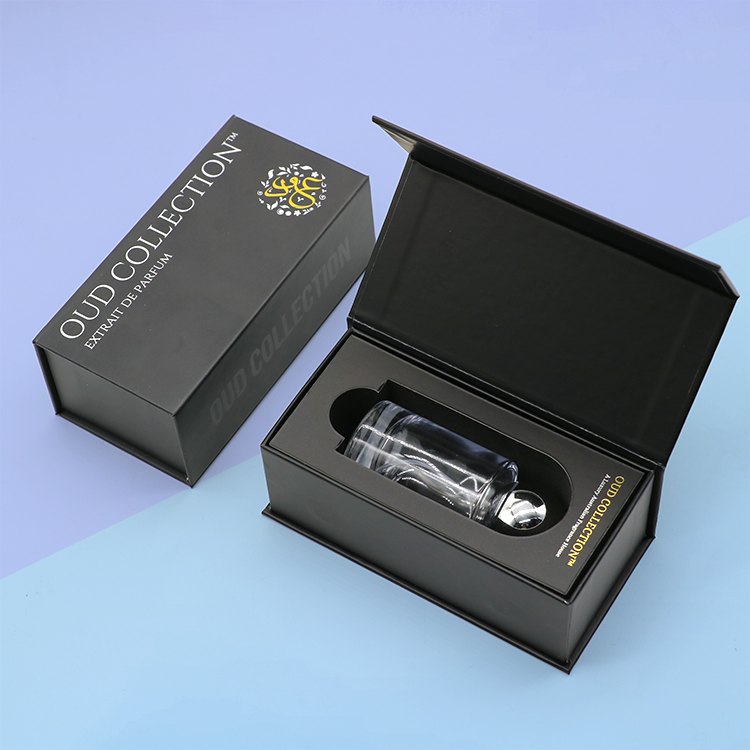
Insert price alone does not show insert value. Paper card can be efficient for light products and simple cavities, while foam, velvet-laminated foam, molded plastic, or silk-covered trays may suit different weights and presentation needs. JERL Packaging lists these alternatives for rigid cosmetic gift boxes, but the least expensive safe option depends on container geometry and the expected handling route.
The insert also affects packing labor. Cavities should load without forcing caps or labels and keep products oriented after closure. A sample pack-out can expose slow assembly, awkward tabs, or excess accessories before production.
Quantity Should Follow Sell Through Risk
Large orders can spread setup costs, but they also lock cash into one artwork version. For beauty brand packaging, a launch forecast should separate proven core SKUs from seasonal or experimental sets. Standard products can support early sampling, while custom quantities should reflect realistic sell-through and the chance of regulatory, formula, or artwork changes.
JERL Packaging lists no MOQ for standard stock items and shipping within three working days after payment. Custom minimums vary by complexity; typical production is seven to 15 working days after sample approval. Request price breaks around the forecast and compare committed cash, not only unit price.
A Complete Quote Brief Prevents Rework
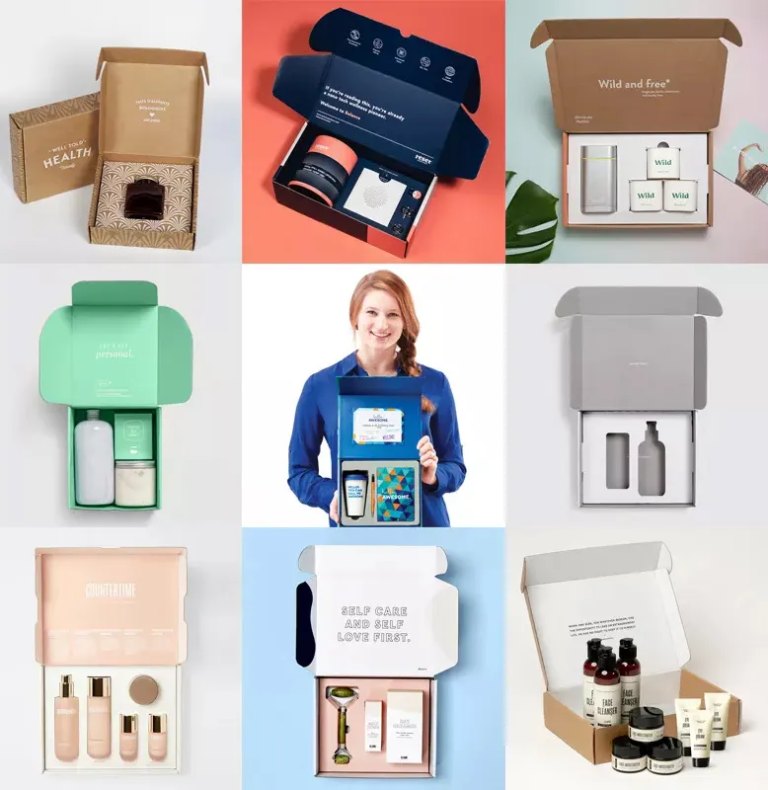
A complete quote brief names the product dimensions and weight, pack count, box structure, material, print colors, finish locations, insert, quantity tiers, packing method, destination, target date, and sample acceptance criteria. Artwork files should identify Pantone references where color matching matters and show finish layers separately. The same brief should go to every bidder so comparisons remain meaningful.
JERL’s process moves from requirements and design files to quotation, prototype approval, production, and delivery. Holding the specification steady avoids restarts. If the budget changes, revise one lever at a time and resample changes that affect fit, strength, color, finish, or pack-out.
A Strong Budget Keeps One Premium Signal
Cost control works when it removes complexity the customer does not value and preserves the details they can see and feel. Protect the product, right-size the structure, reduce redundant operations, match quantity to demand, and spend the remaining design budget on one recognizable signal. That sequence creates a box that looks intentional because every feature has a job.
JERL Packaging can compare structure, finish, insert, and quantity options against one written brief before a cosmetic packaging sample is approved.
Perguntas frequentes
What affects the cost of a custom cosmetic box
Key cost drivers include size, structure, board and wrap, print method, color count, finishes, insert design, quantity, packing, freight, and setup charges. A supplier needs the same complete specification to quote alternatives that can be compared fairly.
Are rigid cosmetic boxes always more expensive
Rigid boxes often use more material and assembly than simple folding cartons, but the final comparison depends on size, quantity, finish, insert, packing, and route. Compare landed cost and required presentation rather than assuming one structure is always the right value.
How can a small beauty brand lower upfront cost
Use proven structures, limit finishes, keep the box close to the product size, consolidate artwork where practical, and order around realistic sell-through. Standard samples can help confirm dimensions before committing to a fully customized production run.
Which finish creates a premium look on a budget
No single finish is universally cheapest or most premium. A focused foil logo, embossed mark, or selective spot UV can create a clear visual hierarchy when the surrounding print remains simple. Quote the exact area and production quantity before choosing.
What belongs in a cosmetic box quote request
Include product dimensions and weight, box style, material, print, finish map, insert, quantities, packing, destination, schedule, and sample criteria. State which items are negotiable so the supplier can offer lower-cost alternatives without weakening non-negotiable protection or brand requirements.


