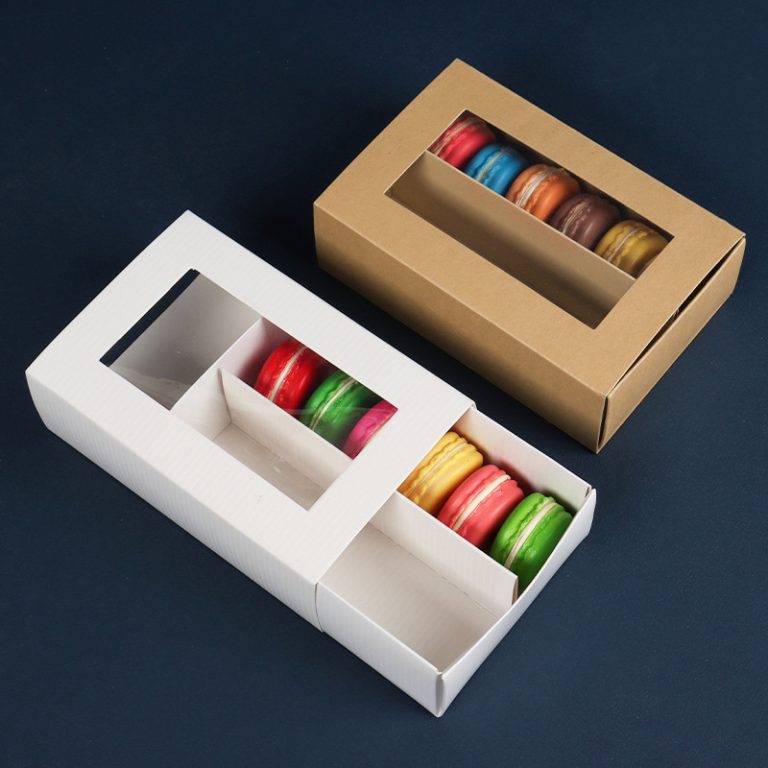
A watch box is judged in a few quiet seconds: the lid opens, the watch sits centered, and every surface either supports the product or distracts from it. For brand and sourcing teams, custom watch box packaging succeeds when fit, presentation, production, and shipping are resolved as one design problem.
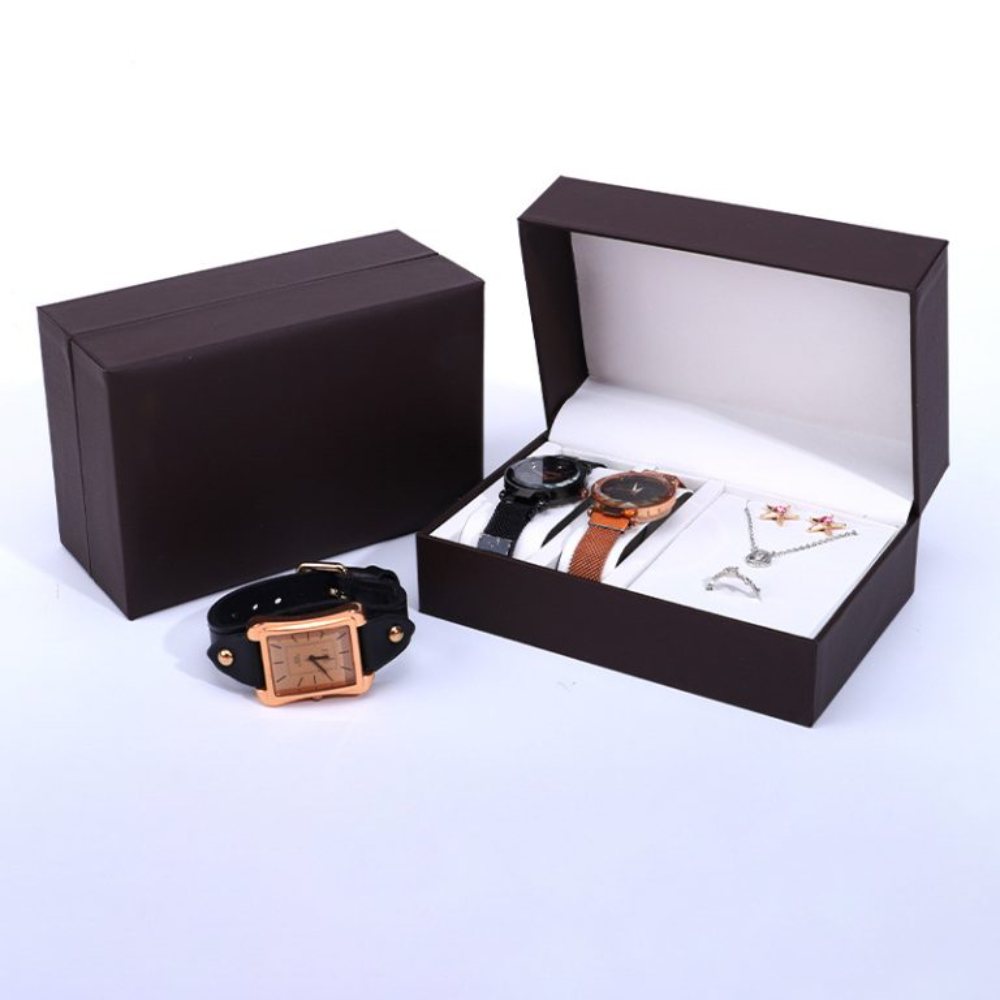
The watch sets the dimensional logic
The watch should determine the interior before the exterior style is finalized. Record case diameter and thickness, lug-to-lug length, bracelet or strap form, crown clearance, total weight, and the presentation angle. A single reference dimension is not enough because the crown, clasp, and bracelet can contact surfaces that appear clear in a simple length-by-width sketch.
The intended assortment also matters. One box may need to accommodate several case sizes, while a launch model may justify a closely tailored cavity. Decide whether the insert must support an open bracelet, a closed bracelet, or both, and whether manuals, warranty cards, spare links, or a cleaning cloth need their own location.
A fit check with the real watch
A real-product fit check reveals pressure points that digital drawings miss. The watch should remain centered without excessive compression, and removable parts should not rub against hard edges. Test the removal motion as well: the presentation fails if staff or customers must pull awkwardly on the strap or case.
- Case, crown, lug, strap, and clasp clearances
- Insert compression and recovery after repeated use
- Accessory placement without contact with the watch
- Opening angle, lid balance, and removal path
- Closed-box movement during realistic handling
Insert engineering controls the presentation
The insert carries both protective and visual work. Foam, wrapped board, molded components, pillows, and layered constructions create different levels of resilience, finish, and recyclability. Material labels should be precise because terms such as velvet or leather may describe a surface appearance without defining the underlying structure.
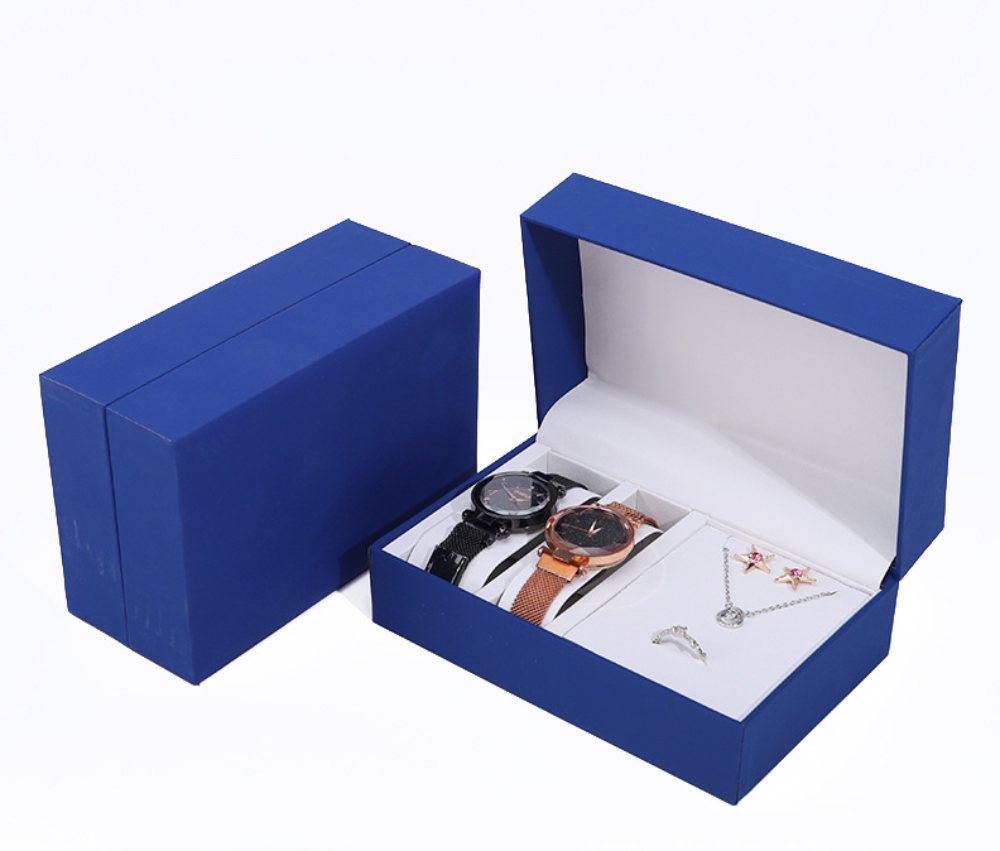
Support without harmful pressure
Support should be firm enough to prevent migration yet forgiving enough to avoid marks. A cushion that is too large can strain a bracelet or closure, while a loose cushion lets the watch rotate and strike the box. Surface texture and colorfastness matter wherever the watch makes repeated contact.
Accessory wells need the same discipline. Spare links, tools, cards, and booklets should remain contained when the box changes orientation. A simple pull ribbon or finger notch can improve access without enlarging the box, but its position should be tested with the complete contents.
| Design element | Primary decision | Approval check |
| Watch cushion | Compression and size range | Fit with each reference watch |
| Accessory area | Count and removal path | Closed-box movement test |
| Lid and hinge | Opening angle and balance | Repeated opening cycle |
| Surface finish | Color and tactile target | Signed physical sample |
Outer materials express the price position
Material selection should communicate the intended price position while fitting the distribution plan. JERL Packaging’s watch-box catalog includes PU and wooden watch-box categories, and its broader custom offering includes paper, wood, velvet, and leather options. These are distinct constructions with different tooling, finishing, weight, durability, and end-of-life considerations.
A rigid paper box can deliver a precise printed identity and efficient customization, while wood can create weight and permanence when the product strategy supports it. Wrapped surfaces can add softness or texture, but seams, corners, adhesive areas, and color consistency become visible quality points. The right choice is the one that matches the watch, channel, and target experience rather than the most ornate sample.
Brand details need manufacturing tolerances
A refined watch packaging box design translates artwork into physical references. Logo position, foil coverage, emboss depth, print color, grain direction, stitch line, and edge alignment should be evaluated on the chosen substrate. Large flat areas and dark colors can reveal dust, scuffs, glue, or wrap variation more readily than a screen rendering suggests.
The opening sequence becomes a brand cue
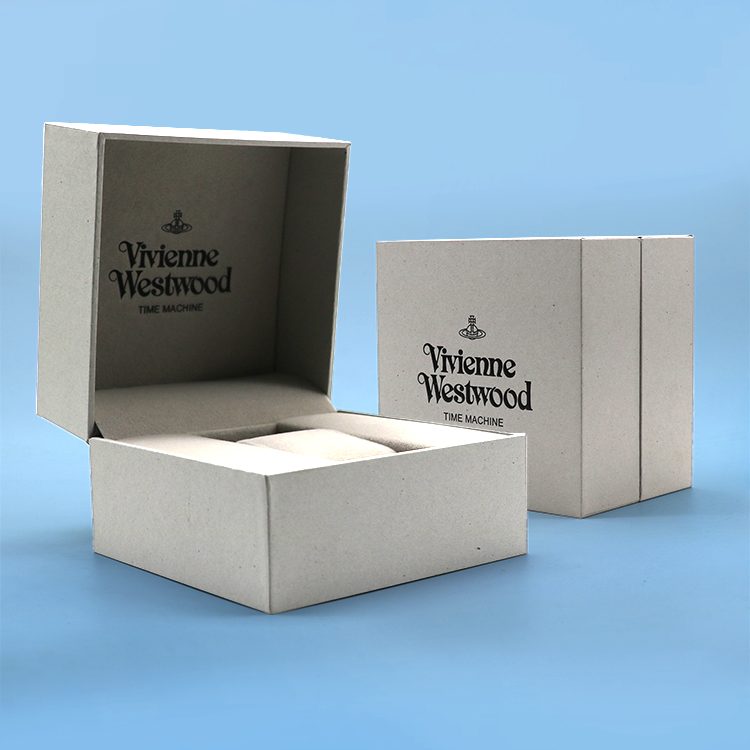
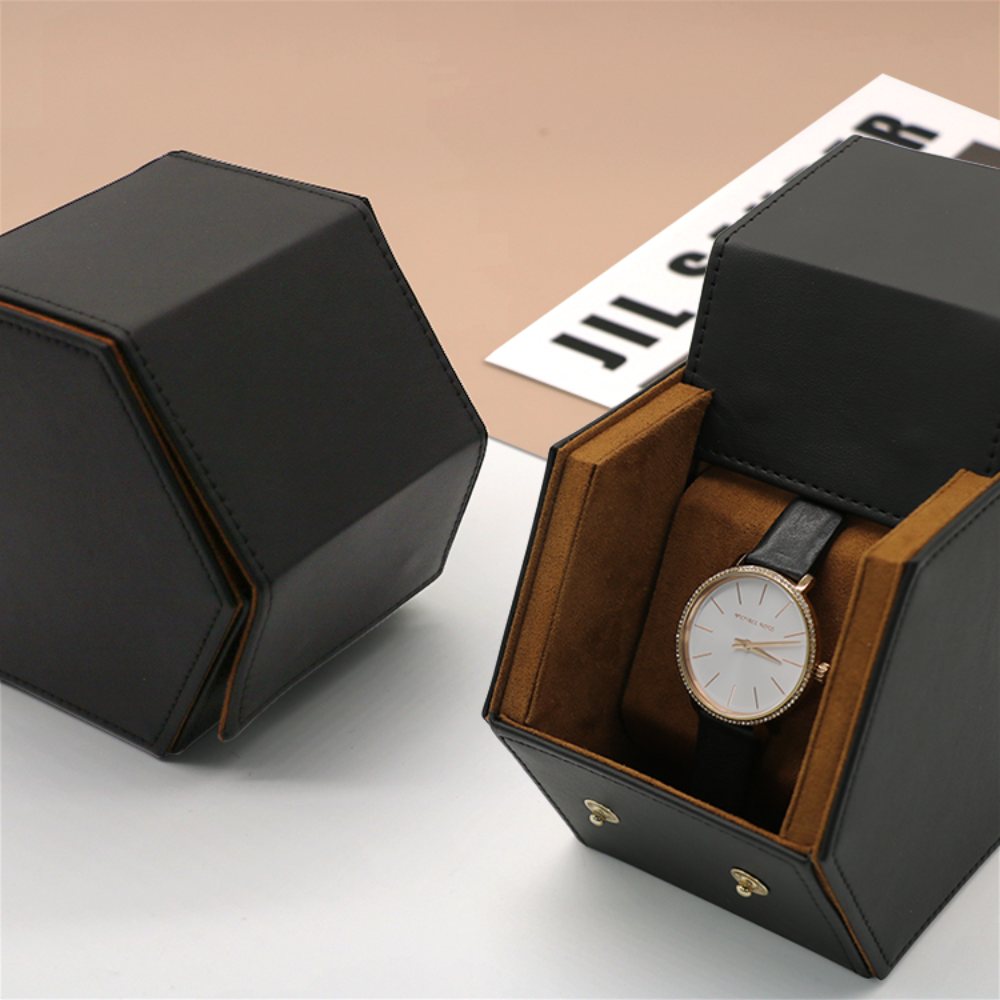
The opening sequence should feel deliberate from the first touch. Lift-off lids, hinged rigid boxes, drawers, and clamshell forms each create a different pace and reveal. The structure should remain stable on a counter, avoid uncontrolled lid fall, and place the watch in the shopper’s natural viewing line.
Brand storytelling works best when it does not compete with the watch. Keep the primary exterior mark clear, use interior messages selectively, and reserve a defined place for compliance, product, or warranty information. JERL Packaging provides design, production, and delivery support, allowing the structural sample and branded finish to be reviewed through one workflow.
Sampling turns taste into evidence
A useful sample answers operational questions, not only aesthetic ones. Load the exact watch and accessories, open and close the box repeatedly, inspect hinge and corner behavior, and pack the unit into its intended protective materials. If multiple models share the box, test the smallest and largest configurations rather than approving a convenient middle size.
The signed sample should link to a written specification. Record dimensions, materials, insert construction, colors, logo method, tolerances, packing sequence, and carton identification. JERL Packaging’s quality workflow includes incoming-material, in-process, and final checks; the buyer and factory should still agree which watch-box characteristics are critical for the order.
Quotation scope that prevents false comparisons
Comparable quotations need identical assumptions. State order quantity, number of artwork versions, sample type, tooling, insert, accessories, finish, unit protection, carton plan, destination, and required date. Custom-order MOQ and timing depend on product complexity, so confirm both for the selected construction after the sample route is clear.
The practical takeaway
A successful watch box starts with product fit, then builds outward through insert behavior, material choice, branded finish, and transport protection. The strongest approval process uses real watches, physical samples, and measurable checkpoints. That sequence protects the premium impression because it connects every visual choice to repeatable production performance.
For a tailored luxury watch packaging discussion, prepare reference watches, accessory requirements, preferred structure, finish examples, quantity, destination, and schedule. The next useful decision is a prototype that can be loaded, handled, and approved by every team involved.
Часто задаваемые вопросы
What measurements are needed for a custom watch box?
Measure case diameter and thickness, crown projection, lug-to-lug length, strap or bracelet dimensions, clasp shape, total weight, and any accessories. Confirm the measurement set with the real watch during sampling.
Which insert material is best for a watch box?
The best insert depends on watch weight, surface sensitivity, target appearance, expected reuse, and sustainability goals. Evaluate the complete wrapped or molded construction, not only the visible top fabric.
Can one box fit several watch models?
One box can fit a controlled size range when the cushion and cavity are designed for it. Test both extremes and confirm that no model moves freely or experiences excessive strap, clasp, or crown pressure.
How should a watch-box sample be tested?
Load the watch and accessories, repeat opening and removal, inspect contact areas, change orientation, and evaluate the unit inside its shipping pack. Compare the result with written acceptance criteria and the approved visual reference.
What information improves a watch-box quotation?
Provide watch measurements, quantity, material and structure preferences, artwork, logo method, insert needs, accessories, unit packing, destination, and target date. Mark undecided items so alternatives can be priced transparently.