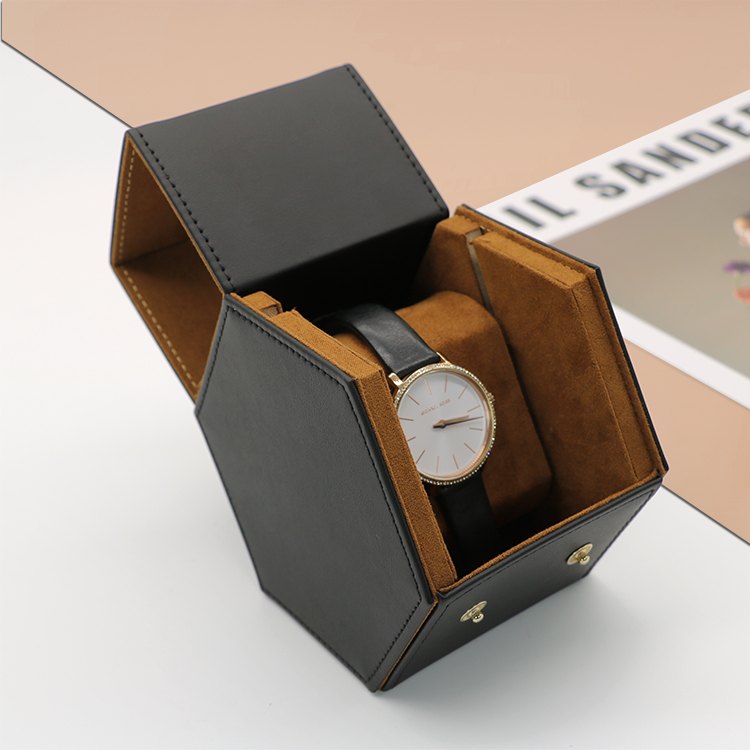
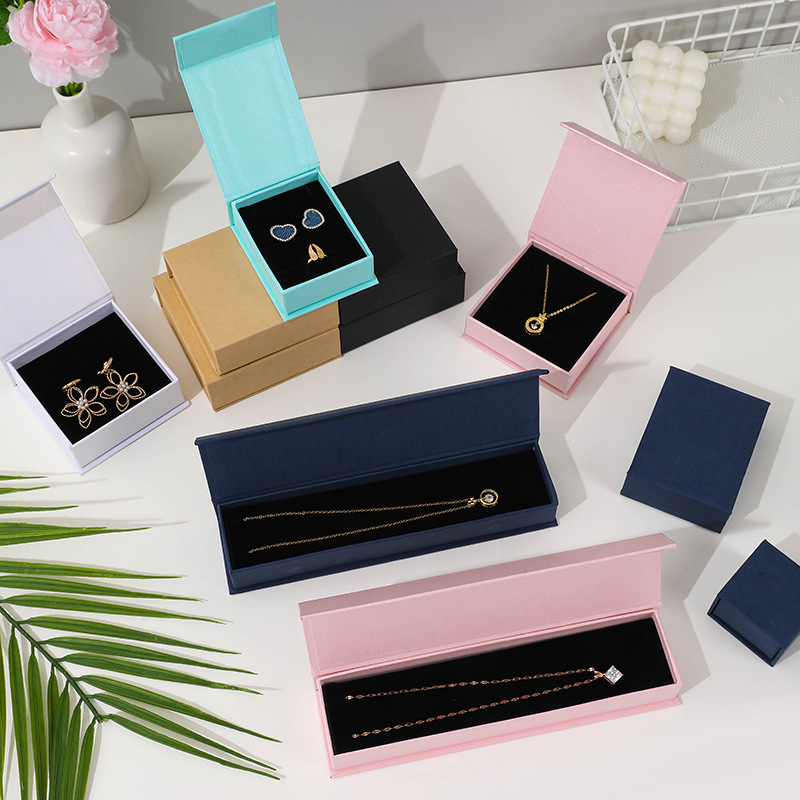
Choosing a magnetic gift box manufacturer is a production decision, not a showroom decision. A sample can look impressive and still fail when the box is folded flat, assembled at speed, filled with the real product, or packed for shipment. The right supplier can turn your dimensions, finish, closure, insert, and packing requirements into a repeatable specification and provide evidence that the result will hold through production. This guide explains how to choose manufacturers by testing those points before you commit to mass production.
Define a Box That Can Be Quoted Consistently
A useful quotation begins with decisions, not inspiration images. Tell prospective magnetic gift box manufacturers the product dimensions and weight, internal clearance, opening direction, insert function, finish, packing method, destination, and sales channel. A supplier can then identify conflicts before costing.
| Brief item | What to specify | Why it changes the result |
| Product and insert | Size, weight, orientation, removal method | Determines internal space and board support |
| Closure | Flap direction and expected closing feel | Affects magnet placement and lid alignment |
| Surface | Paper, color target, lamination, foil or other finish | Changes appearance and production controls |
| Logistyka | Flat or assembled packing, cartons, destination | Changes assembly work and transport exposure |
Describe the Flat-Fold Experience
A foldable magnetic box is judged while flat and again after assembly. Define the operator steps, how panels should seat, and which seams must disappear from the shopper’s normal view.
Your brief should identify:
- the panels that carry the product load;
- the corners or tapes used during assembly;
- the acceptable gap around the lid;
- the way the closure meets without twisting; and
- the number and location of product inserts or accessories.
These points turn a premium foldable magnetic gift box into a manufacturable specification.
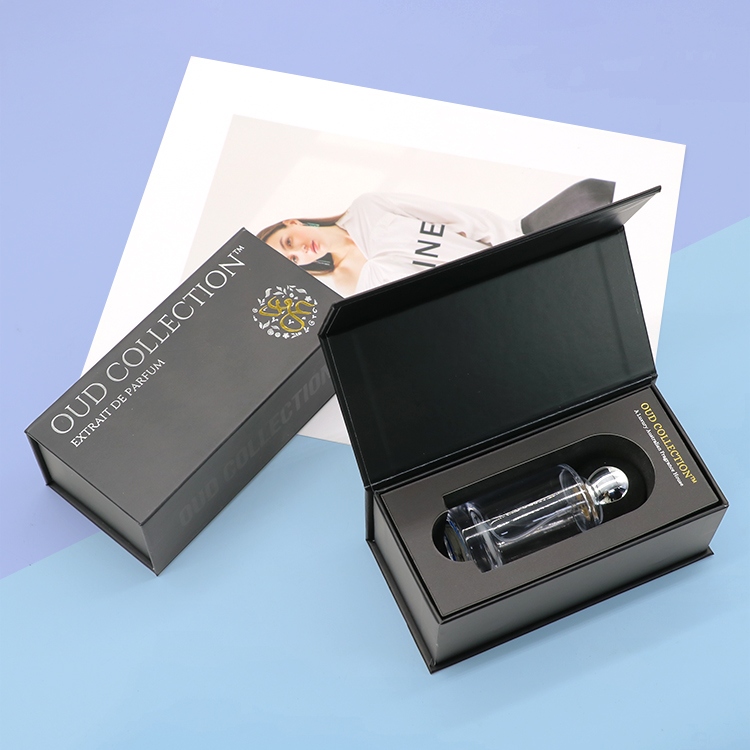
Samples Should Answer Operational Questions
A sample earns approval only when it behaves like the intended pack. Assemble it, insert the real product, close it repeatedly, and check whether the walls remain square. If a third party will fulfill it, ask that team to test the sample because awkward assembly creates hidden labor.
Inspect Closure, Recovery, and Alignment
Closure quality is a system result. Board stiffness, wrap tension, hinge geometry, adhesive control, and magnet position influence how the flap lands. Record the approved gap, alignment, and closing feel with photos and a signed sample.
A qualified magnetic box manufacturer should explain how it checks these characteristics. JERL Packaging uses pre-production meetings, approved samples at the line, inline inspection, and final inspection.
Treat Decoration as a Production Variable
Premium glossy magnetic gift boxes expose scuffs, bubbles, dust, and uneven wrapping readily. Request a physical finish reference, define critical appearance zones, and agree how the factory will inspect them.
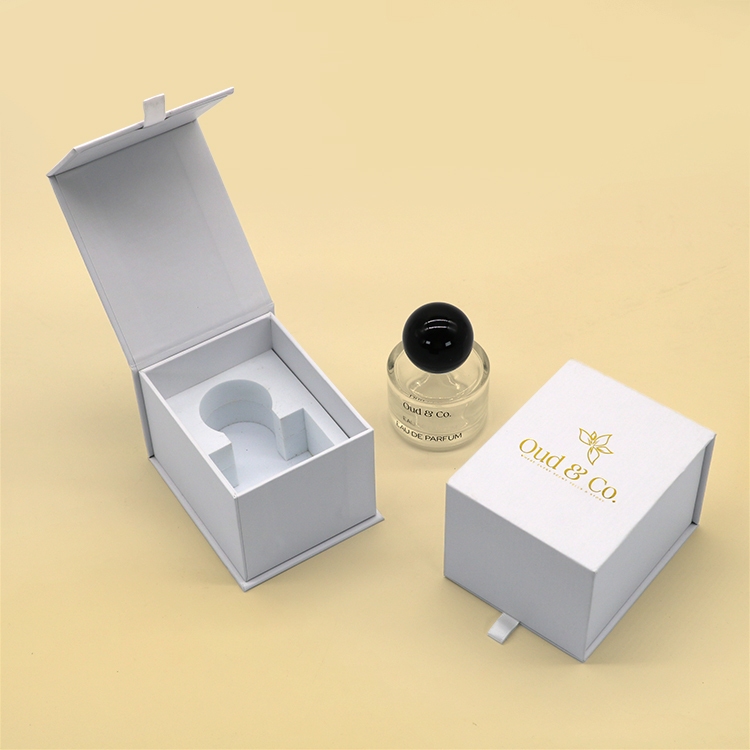
Put Quality Control Inside the Production Plan
Quality control should prevent drift, not merely sort finished boxes. The plan should identify who approves materials, when output is compared with the signed sample, what is measured, and who can stop the job. ISO 9001 offers a general process framework, but the order still needs product-specific criteria.
Make the Approval Sample the Control Point
The golden sample should represent the agreed structure, graphics, materials, and finish and be linked to the purchase-order revision.
Before release, confirm that the control plan covers:
- dimensions and assembled squareness;
- magnet position and closure alignment;
- wrapping, corners, hinges, and glue areas;
- print, color, lamination, and decorative registration;
- insert fit with the production product; and
- unit packing and export-carton identification.
Connect Defects to Corrective Action
A defect list needs a response for each category. JERL Packaging’s workflow separates issues, brings relevant commercial and technical teams into corrective action, and replaces rejected units. Define reporting and disposition before production.
Compare Landed Risk, Not Just Unit Price
Compare prices only after suppliers quote the same scope. A lower unit price may exclude assembly, inserts, protective packing, proofs, or inspection evidence. Flat packing may reduce freight volume while shifting assembly labor to the buyer.
| Cost or risk | Question for the supplier | Decision evidence |
| Tooling and samples | What is included and refundable? | Itemized quotation |
| Mass production | Which materials and finishes are fixed? | Approved specification |
| Packing | Flat-packed or assembled; how many per carton? | Packing plan |
| Quality | Which checks are recorded and shared? | Inspection plan and report |
| Logistyka | Which shipment assumptions were used? | Carton data and Incoterm |
Custom-order MOQ at JERL Packaging is product-dependent. Confirm sample, production, inspection, and handoff milestones instead of treating a headline lead time as universal.
Build a Shortlist That Can Survive Production
A strong shortlist compares the same evidence for every magnet box supplier. Begin with a brief, request a construction sample, close questions in writing, and then compare offers. Ignore claims such as “luxury” or “eco-friendly” unless they connect to evidence.
For a premium foldable magnetic gift box, favor the supplier that exposes assumptions early and gives every team one definition of success.
The Practical Takeaway
Magnetic box sourcing becomes safer when buyers approve a production system, not a photograph. Define assembly and closure behavior, use the real product during sampling, convert appearance expectations into checkable criteria, and compare quotations on the same packing and quality scope. The supplier’s response to those controls reveals more than a showroom sample ever can.
Discuss Your Magnetic Box Brief
Send JERL Packaging your product dimensions, target quantity, finish references, insert needs, packing preference, destination, and schedule. You can request a custom packaging quote after the specification is clear enough for a useful feasibility review.
Często zadawane pytania
What should I send a magnetic gift box manufacturer for a quote?
Send product dimensions and weight, artwork, finish references, insert function, quantity, destination, packing preference, and required date. Mark open items clearly.
Are foldable magnetic boxes always cheaper to ship?
Not always. Include assembly labor, errors, protective materials, carton utilization, and the freight route. Request the carton plan and identify who assembles the box.
How should magnet strength be specified?
Approve closing behavior on a finished sample with the intended board, wrap, hinge, flap, and product load. Record magnet position and acceptable closing feel.
Which defects matter most on a glossy magnetic box?
Check scuffs, dust, bubbles, lamination, glue, corners, flap alignment, and color. Mark critical appearance zones and agree the inspection method.
When should transit testing be discussed?
Discuss it before finalizing the carton. Ask a packaging engineer or logistics provider whether an ISTA or ASTM distribution test suits the product, channel, pack, and carrier.