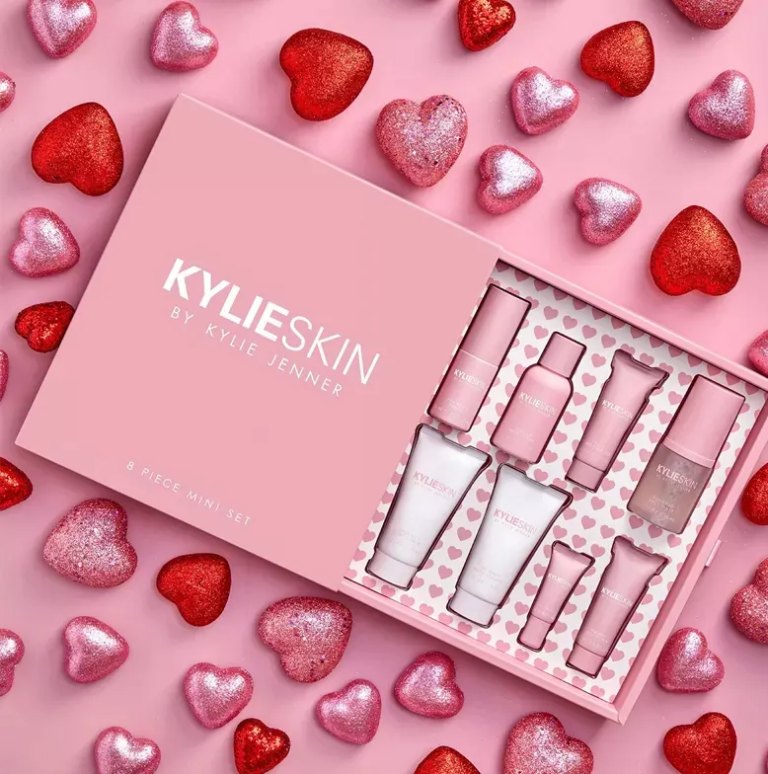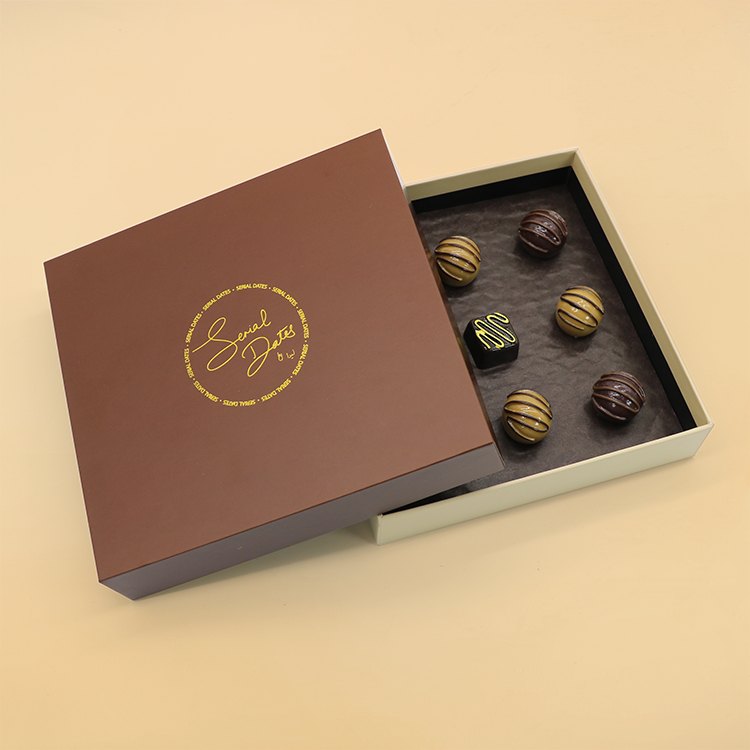
A cookie can leave the oven with a crisp edge and arrive at retail as crumbs. For bakery brands, distributors, and food businesses, the box has to control movement, support freshness strategy, communicate clearly, and still look convincing on a crowded shelf. The best cookie packaging boxes therefore begin with the product journey, not a decorative trend.
The cookie journey defines the box
A useful packaging brief follows the cookie from packing line to customer. Map whether products are wrapped individually, held in a tray, stacked, or separated with cups; then record the longest delivery route and the way cartons will be handled. These details expose the real risks: abrasion, grease marks, broken edges, odor transfer, and empty space that lets pieces accelerate inside the pack.
A retail box and an e-commerce box face different pressures. Retail presentation rewards a strong front panel and tidy opening experience, while parcel shipping adds repeated drops, vibration, and compression from outer cartons. One structure can serve both channels, but only if the inner arrangement and transport pack are evaluated together.
Product details that change structure
Cookie geometry drives board support and insert choice. Thin decorated biscuits need separation around icing, chunky cookies need headspace, and assortments need compartments that prevent heavier pieces from striking delicate ones. The packer also needs enough access to load quickly without scraping the product against a narrow opening.
- Cookie dimensions, weight, count, and stacking pattern
- Primary wrap or liner material and sealing method
- Grease, aroma, and moisture sensitivities
- Retail display orientation and opening sequence
- Case quantity, delivery channel, and handling conditions
Protection works as a system
Effective protection comes from several layers working together. The paper box provides shape, print area, and handling strength, while a suitable primary barrier or liner manages direct food contact and product-specific freshness needs. The outer shipping carton then carries distribution loads. A folding carton alone should not be assumed to provide the required moisture, oxygen, or grease barrier.
Movement control without excess material
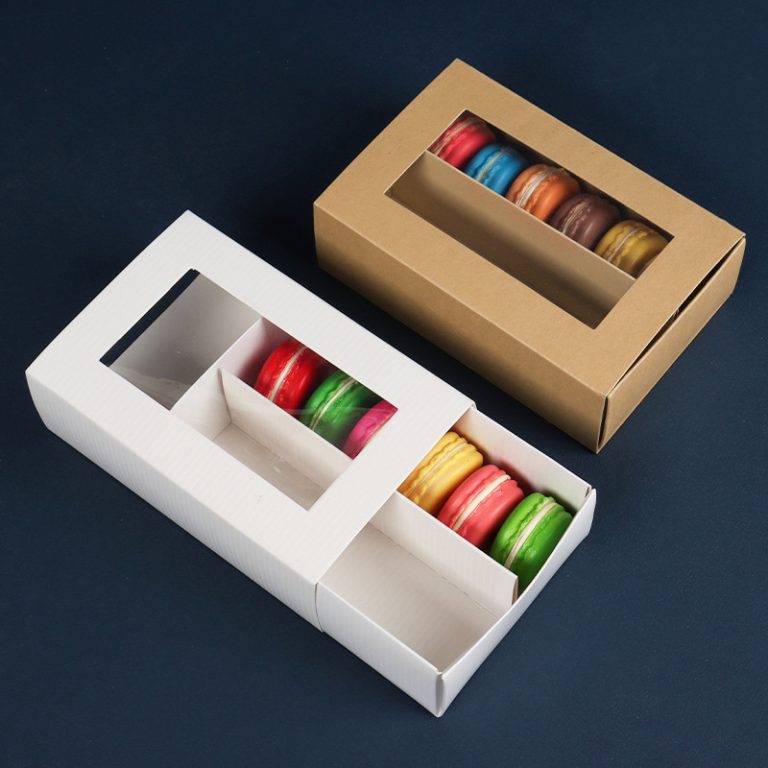
Movement control should be designed around the actual count and arrangement. Paperboard dividers, formed paper trays, or food-suitable inserts can stabilize an assortment, but the lightest workable solution is usually preferable. Oversized cavities waste volume and allow impact; an overly tight cavity can crush edges during packing.
Prototype testing makes the trade-off visible. Load the intended cookies, close the pack, handle it as operators will, and inspect the result after a representative distribution trial. The approval sample should capture structure, graphics, materials, and the packing pattern so production teams are checking the same target.
| Packaging decision | Question to answer | Useful evidence |
| Cavity and insert | Can cookies move or collide? | Loaded sample after handling |
| Barrier layer | What must be controlled? | Food and shelf-life assessment |
| Board structure | Does the box stay square? | Compression and packing trial |
| Outer carton | How will units travel? | Case pack and route simulation |
Food-contact compliance belongs in the brief
Food-contact responsibility depends on the complete material system and destination market. In the United States, food-contact substances fall under the FDA framework in Title 21 of the Code of Federal Regulations and related authorizations. In the European Union, Regulation (EC) No 1935/2004 sets the general requirement that food-contact materials must not transfer constituents in amounts that could endanger health or unacceptably change food.
Compliance planning should identify which layer directly touches the cookie. Ask for documentation that matches the paper, ink, coating, adhesive, liner, and intended conditions of use rather than accepting a broad “food grade” statement. Printed surfaces and decorative finishes also need a construction that prevents unintended direct contact or set-off where relevant.
Brand design must survive production
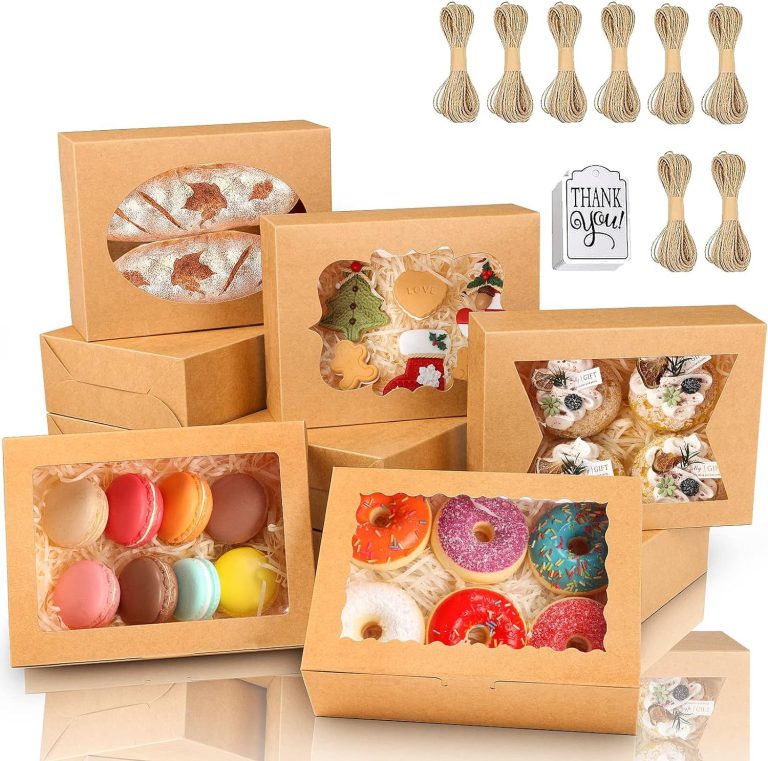
Good cookie packaging design creates recognition without compromising packing speed. A window can reveal product quality, but it also changes panel stiffness and may add another material. Foil, embossing, spot effects, and rich colors can create a premium signal, yet every finish needs a physical reference and tolerances that a production team can inspect consistently.
The opening sequence is part of the brand experience. A clean tuck, drawer, sleeve, or lift-off lid can create a deliberate reveal, but the choice should suit the sales channel and packing operation. JERL Packaging supports custom paper-box design, prototyping, printing, finishing, and mass production, which lets a brand review structure and graphics as one system before scale-up.
Artwork information that earns its space
Clear hierarchy helps shoppers understand the product quickly. Reserve prominent space for brand, flavor, cookie count or net quantity, and the legally required information for the intended market. Keep variable areas such as lot or date coding accessible to the chosen production method, and verify barcode size and contrast on the printed sample.
A scalable approval process
A scalable project turns creative choices into measurable checkpoints. Confirm dimensions, board and finish references, insert fit, color target, print registration, closing behavior, case packing, and label placement. JERL Packaging uses incoming-material, in-process, and final inspection within its quality workflow; buyers should still agree the exact acceptance criteria for their cookie pack.
Cost comparisons become useful only when suppliers quote the same scope. Include prototype type, tooling, primary liner or insert, finishing, unit packing, export cartons, and inspection evidence. Standard items and custom projects follow different commercial paths, so quantity and timing should be confirmed for the exact structure rather than inferred from a general promise.
The practical takeaway
Strong cookie boxes balance three outcomes: the product arrives intact, the contact-material plan fits the market, and the design remains repeatable at packing speed. A brief built around the real cookie, channel, and distribution route gives designers and manufacturers a common target. That clarity reduces late structural changes and protects the visual idea that attracted the buyer in the first place.
For a project-specific food packaging review, share the cookie format, count, barrier approach, destination market, artwork, order quantity, and delivery route. A physical prototype with real product is the sensible next step before mass production.
FAQ
What is the best box style for cookies?
The best style depends on cookie fragility, count, packing method, display orientation, and delivery channel. Folding cartons suit many retail packs, while rigid or drawer formats can support premium assortments when their added material and freight volume are justified.
Do paper cookie boxes need an inner liner?
Many applications need a suitable primary wrap, bag, cup, or liner because paperboard should not automatically be treated as the freshness barrier. The correct system depends on grease, moisture, oxygen, aroma, shelf-life, and food-contact requirements.
How can a brand reduce broken cookies in transit?
Control empty space, separate fragile pieces, use a suitable insert or stacking pattern, and validate the loaded unit inside its shipping carton. Testing should represent the actual route rather than only a gentle tabletop check.
Are windows suitable for cookie boxes?
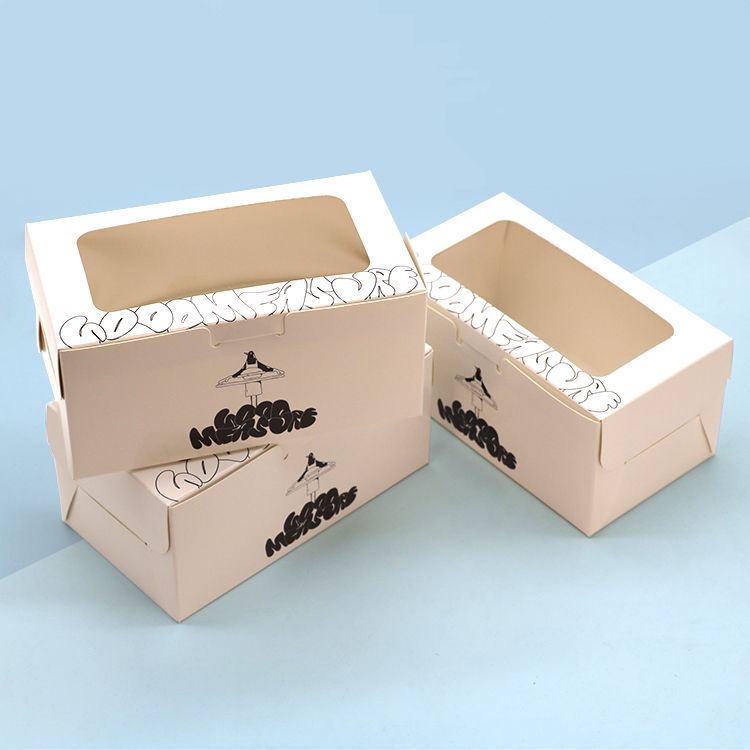
Windows can improve product visibility, but they affect panel strength, material separation, and food-contact planning. Their film, adhesive, position, and end-of-life implications should be reviewed as part of the complete structure.
What should be approved before production?
Approve the loaded prototype, dieline, materials, contact layers, colors, finishes, coding areas, barcode, insert, closure, unit packing, and shipping carton. Record the accepted sample and inspection criteria with the purchase-order revision.