Cosmetic packaging trends in 2026 are moving from visual novelty toward decisions that can survive regulation, production, and a multi-SKU launch. Beauty brands still need shelf impact, but the more useful question is how material choices, finishes, inserts, and format systems work together. The strongest programs make every visible effect earn its place in the product story and the pack’s end-of-life plan.
Recyclability becomes a design brief
Recyclability is becoming a concrete design constraint for brands selling into Europe. Regulation (EU) 2025/40 on packaging and packaging waste generally applies from August 12, 2026. Its direction favors packaging designed for material recycling and places more attention on how packs are collected, sorted, and recycled at scale.
Secondary cosmetic boxes therefore need a material map, not a vague environmental claim. Buyers should identify the structural board, printed wrap, lamination, foil area, window, magnet, insert, and adhesive. The question is whether these parts can be separated or processed in the intended market, and whether removing a decorative layer would simplify the pack without weakening product protection.
Secondary packaging carries more of the brand story
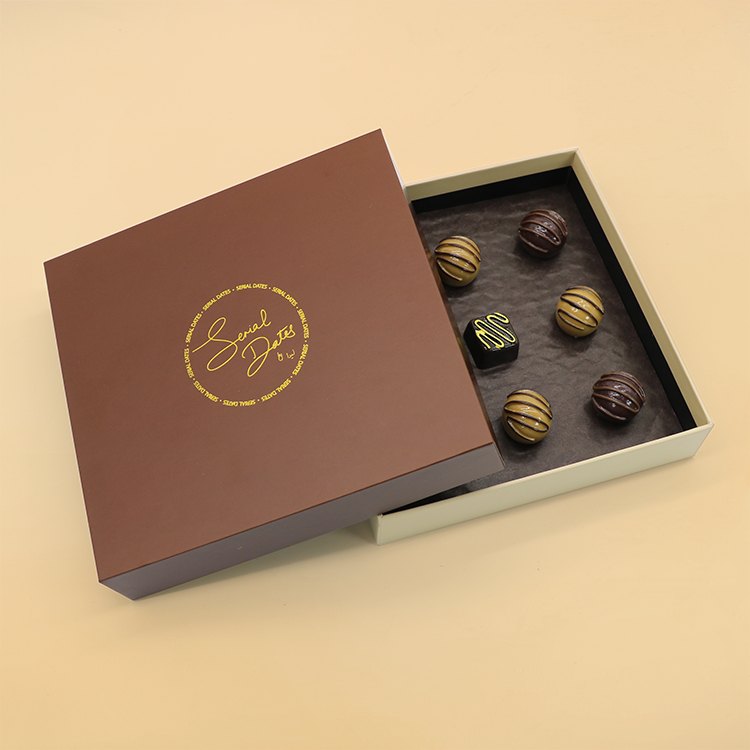
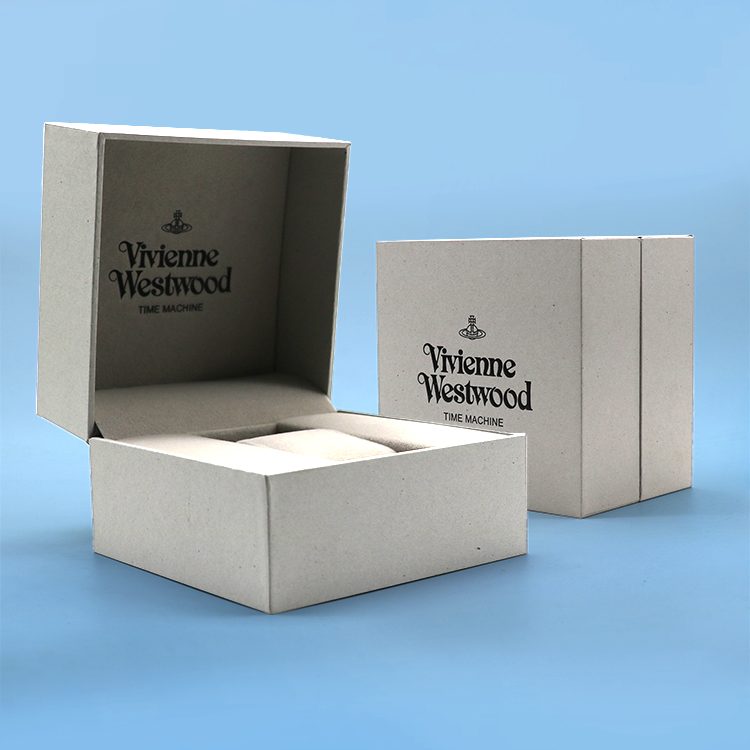
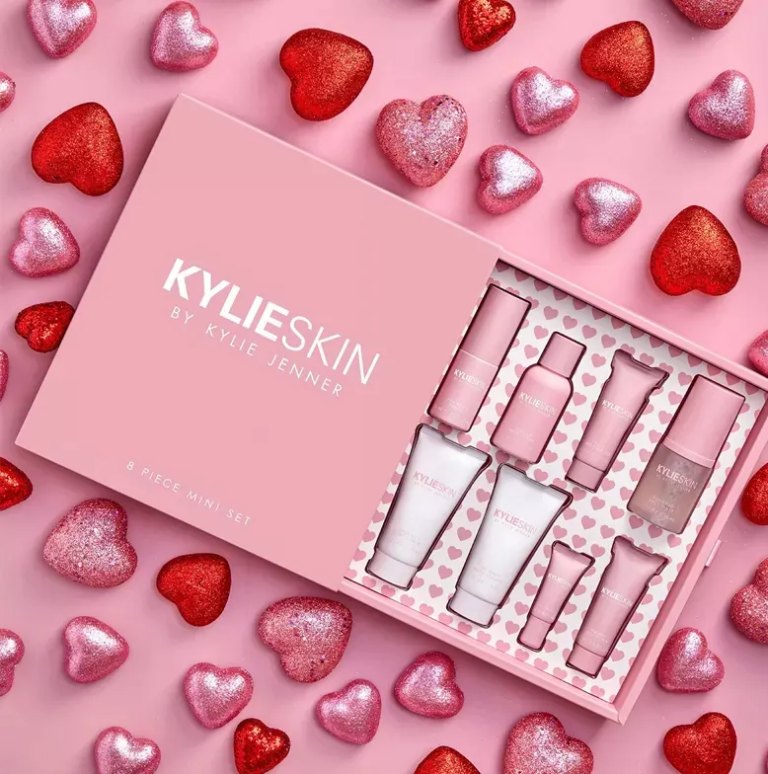
Paper secondary packaging is taking on more storytelling work as brands simplify material systems. Structure, opening order, interior color, and a short message inside the lid can create recognition without covering every surface. This makes customized cosmetic packaging useful for product launches where one box must organize several items and explain their relationship at first opening.
The box should still serve the product before it serves the campaign. A gift set needs stable alignment, a clear removal path, and enough visual order for photography and retail display. When those functions are settled, graphics can guide attention from the brand mark to the hero product and then to supporting items.
Tactile effects shift from coverage to precision
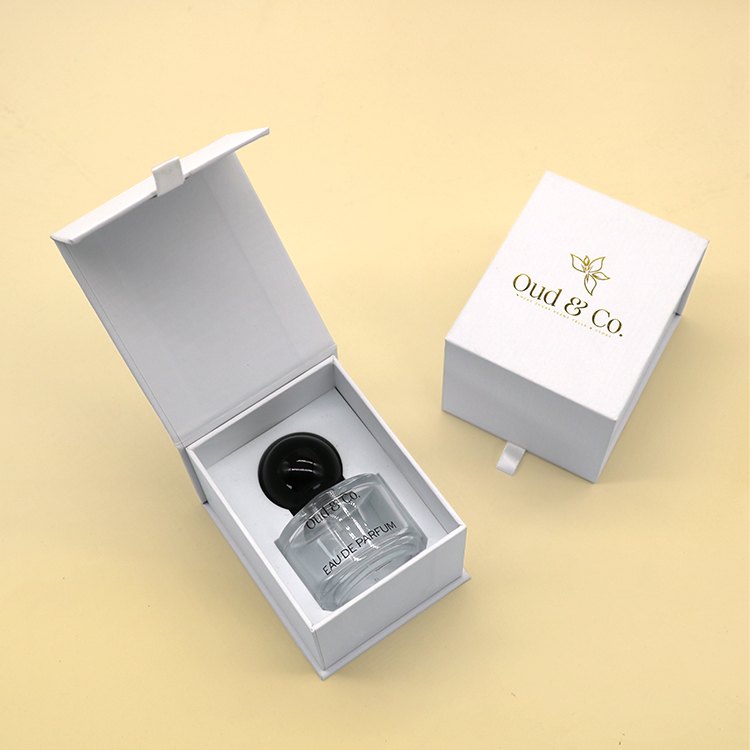
Tactility remains important in premium beauty, but 2026 programs benefit from selective treatment. Embossing, debossing, foil stamping, spot UV, and soft-touch effects are available on JERL Packaging’s rigid cosmetic paper formats. Applying one or two effects at focal points can create contrast while limiting the number of processes that must remain consistent across a production run.
A cosmetic paper packaging box may use coated paper, textured paper, corrugated board, or cardboard around a rigid structure. The finish decision should account for rub resistance, color appearance, fold or edge behavior, and compatibility with the chosen recycling route. A striking sample that scuffs during packing is not a successful trend application.
Product-specific fit replaces decorative excess
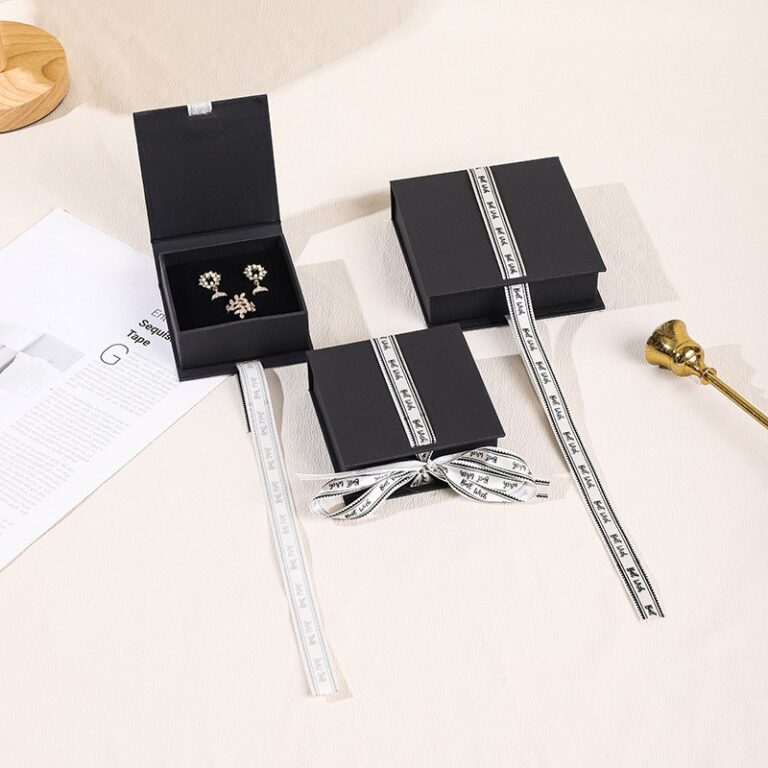
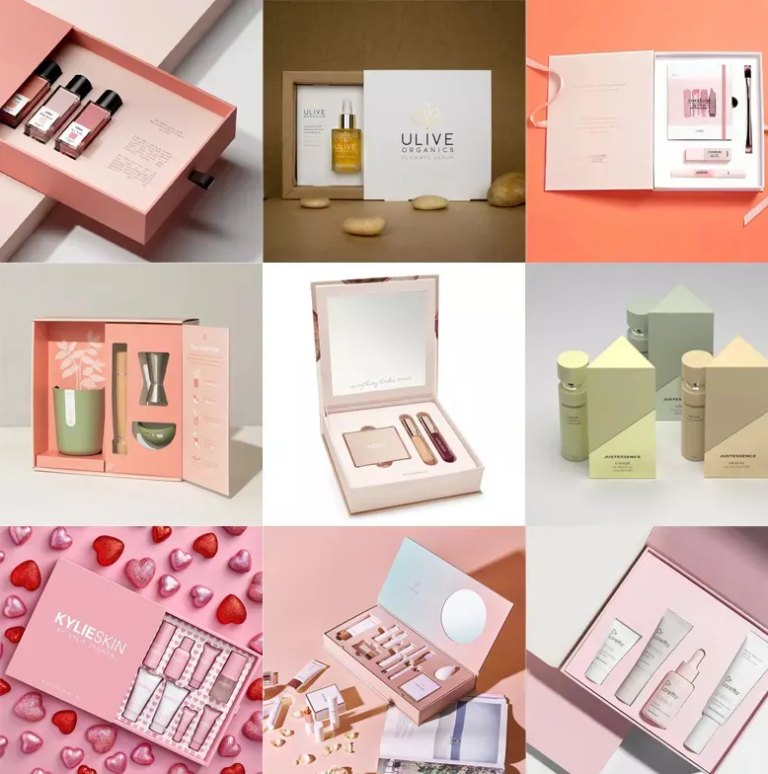
A fitted interior gives a cosmetic set more value than extra decoration when it controls the actual products. Current box options include foam, foam with velvet, plastic trays with silk, and paper-card inserts. Each creates a different combination of presentation, material complexity, and contact behavior.
The product lineup should determine the insert. Glass jars need stable bases, slim lip products need spacing that prevents leaning, and mixed gift sets need finger access that does not disturb neighboring items. Teams should approve the final insert covering and the real product weights because a cavity tested with empty samples can behave differently when loaded.
Shared systems make launch portfolios easier to manage
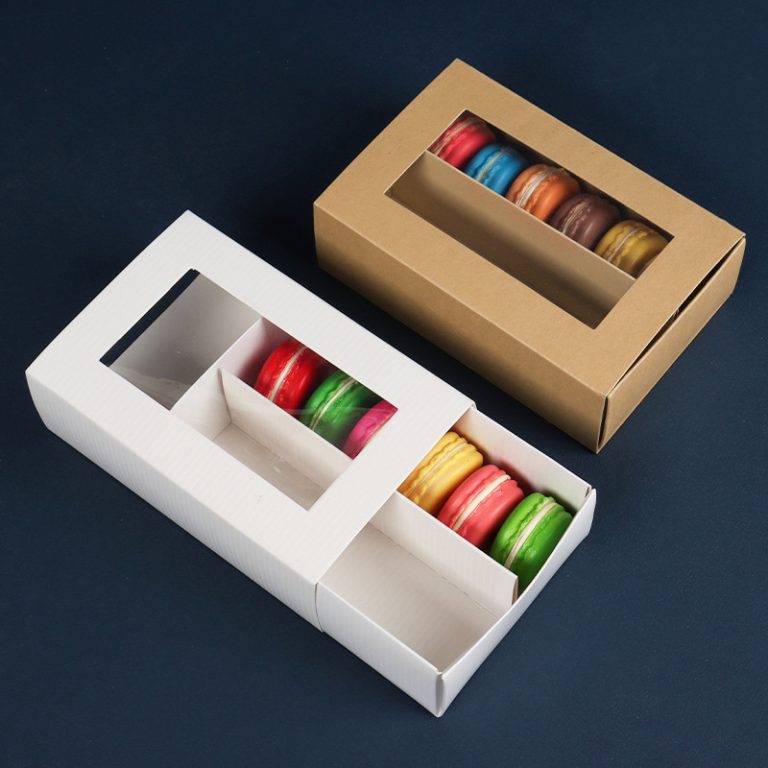
Portfolio planning is the next step because beauty launches often contain several sizes, claims, and channel bundles. A shared outer footprint, repeated logo zone, and coordinated color system can create a family while internal trays change by SKU. This approach gives beauty product packaging a consistent visual grammar without forcing every formula into the same cavity.
| 2026 direction | Specification response | Buyer check |
| Simpler material systems | Document each board, wrap, coating, insert, and removable component | Confirm the intended recovery route in each sales market |
| Selective tactile detail | Use embossing, foil, or spot treatment at defined focal areas | Approve rub, registration, and color on production materials |
| Product-specific fit | Size cavities around loaded products and removal motion | Test the lightest and heaviest planned configurations |
| Coherent SKU families | Repeat outer proportions and graphic zones while changing trays | Verify identification, picking, and retail presentation |
The table turns broad trends into reviewable decisions. It also separates what belongs in the artwork file from what must be confirmed through a physical sample, preventing aesthetic approval from standing in for functional approval.
Trend adoption depends on measurable checks
A trend becomes scalable only when the supplier and brand can inspect it. Useful controls include board and wrap identification, finished dimensions, cavity position, surface cleanliness, color reference, foil or emboss registration, closure action, and the presence of every component. These checks should use the approved sample and agreed artwork as references.
JERL Packaging lists custom size, custom printing, several insert types, and a stated five-working-day sample lead time for its cited rigid cosmetic gift box, followed by 10-15 days after order confirmation depending on quantity. Those timings are model-specific planning inputs, so a launch team should reconfirm them for its material stack, finish sequence, volume, and delivery date.
The 2026 opportunity is disciplined differentiation
The practical opportunity in 2026 is to make packaging distinctive through better decisions, not more layers. A clear material map supports credible recyclability work. Selective finishes make touch meaningful. Product-specific inserts improve presentation, and a shared portfolio system keeps the range recognizable. Brands can now translate these choices into a sample brief with measurable checks before committing to production.
JERL Packaging can review the product lineup, target markets, box structure, insert plan, finishes, quantities, and launch schedule as one packaging brief.
Preguntas frecuentes
What is the biggest cosmetic packaging trend for 2026?
The broadest shift is from general sustainability language to specific material and recovery decisions. Brands need to know what each component is, whether it can be separated, and how the complete pack fits the recycling system in its target market.
Are rigid cosmetic paper boxes still relevant?
Yes. Rigid paper boxes remain useful for gift sets, launches, and premium presentation when their material stack, insert, and finishes are selected deliberately. Their value depends on fit and execution rather than thickness or decoration alone.
Which finishes suit premium beauty packaging?
Embossing, debossing, foil stamping, spot UV, and controlled matte or soft-touch effects can create premium contrast. The best choice supports the brand story, survives handling, and remains compatible with the chosen substrate and end-of-life plan.
How can one packaging system cover several cosmetic SKUs?
Use repeatable outer proportions, logo zones, and color rules while changing the internal tray for each product group. Test every loaded configuration and add discreet identifiers so warehouse and retail teams can distinguish versions correctly.
What should a cosmetic box sample approval include?
Approve finished dimensions, product fit, removal, insert seating, closure, color, surface durability, print and finish registration, component count, and packing method. Record the accepted version so production inspection has a clear reference.