
In today’s fitness and health field, protein powder has moved from a special tool for weightlifters to a common item in homes. Brands work hard to stand out in a full market. Packaging does more than hold the product. It serves as a key way to show brand style and build buyer confidence. For years, plastic tubs filled store shelves. But now, a big move toward green, upscale choices is happening. Many companies face a basic choice: the usual plastic container or the fresh paper tube.
Picking the best packaging means weighing protection, looks on the shelf, and care for the planet. This piece looks at the details of each choice. It aims to guide you toward the right one for your company’s path ahead.
The Evolution of Protein Powder Packaging
For many years, big HDPE (High-Density Polyethylene) plastic tubs set the norm in the field. Their strength and low price suited large shipments well. Yet, as buyer groups change to include green-minded young adults and Gen Z, the look of thick plastic seems old and bad for nature.
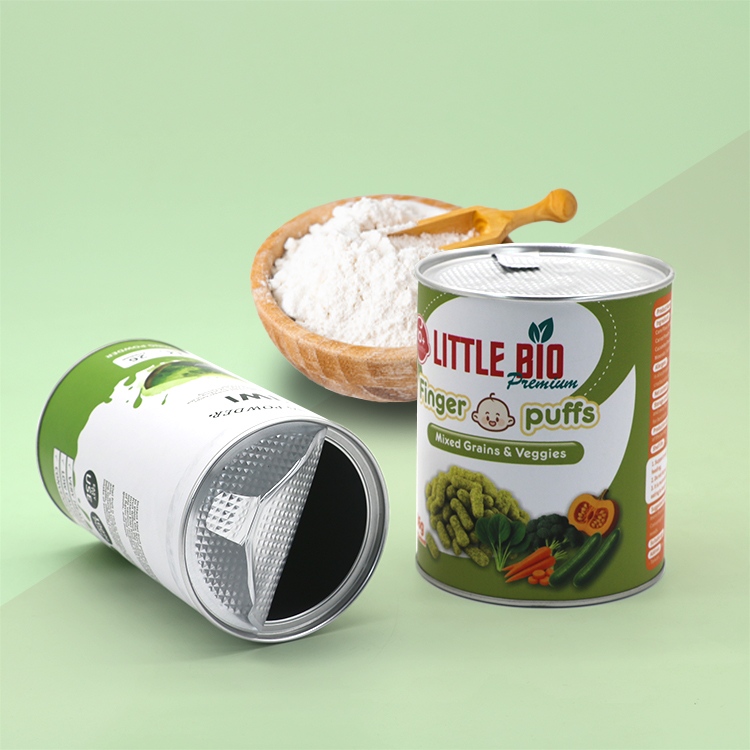
The growth of protein powder paper tube wholesale options marks a turn to higher quality and green practices. These tubes give a round, clean shape. It catches the eye in stores. Plus, they meet the rising call for options without plastic.
Comparative Analysis: Paper Tubes vs. Plastic Containers
To decide wisely, check how these materials perform in main areas.
| Feature | Paper Tube Packaging | Plastic (HDPE/PET) Containers |
| Environmental Impact | High (Recyclable, Biodegradable, FSC-certified) | Low (Resource-intensive, long-term waste) |
| Brand Perception | Premium, Artisan, Eco-friendly | Mass-market, Industrial, Standard |
| Customization | High (Full-wrap printing, textures, foils) | Moderate (Labels or shrink wraps) |
| Durability | Good (Rigid cardboard is impact-resistant) | Excellent (Waterproof and shatterproof) |
| Weight | Lightweight | Heavier (Increases shipping costs) |
| Storage Efficiency | Excellent (Customizable diameters/heights) | Moderate (Fixed bulky shapes) |
Functional Protection and Barrier Properties
Protein powder reacts to water, light, and air. If it gets lumpy or the good parts break down, the item loses worth.
Plastic Barriers
Plastic containers block water on their own. They seal air-tight and keep water out. This fits storage over time in different places. But they usually need extra closers like foil seals to keep things fresh until the first open.
Paper Tube Innovation
Today’s paper tubes go beyond basic paper. Good makers like JERL Packaging use layers of build. These tubes often have safe aluminum foil or PE (Polyethylene) covers inside. They block dampness and air well. So, the protein powder stays dry and easy to pour. The firm cardboard sides also guard against squishing in travel.
Sustainability and Consumer Sentiment
Being green is not just extra now. It pushes the market forward. Studies show buyers will pay more for items with eco-friendly packaging.
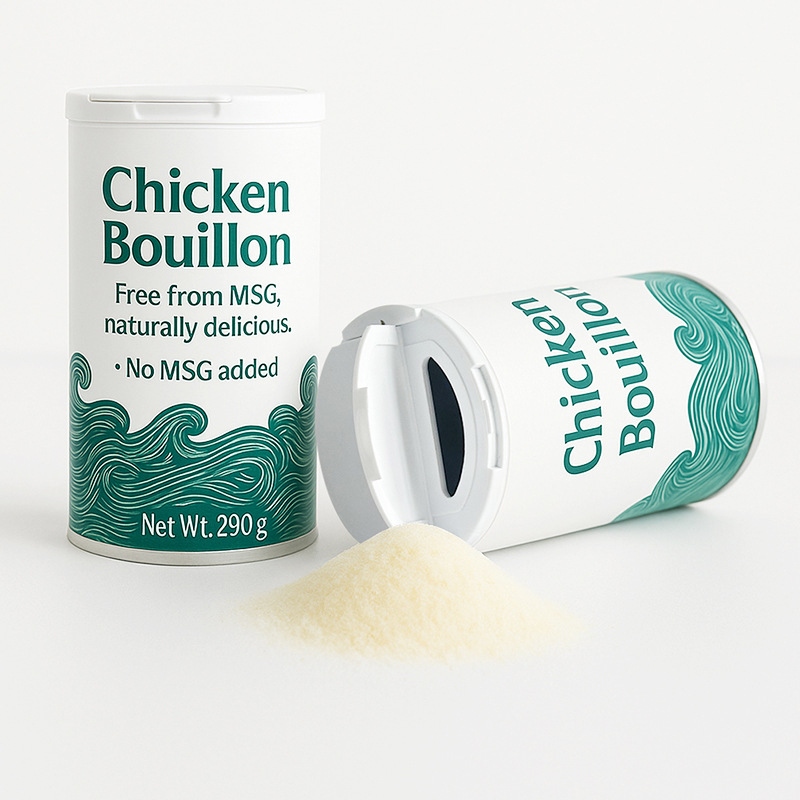
- Biodegradability: Paper tubes come mostly from tree pulp. When from checked forests with an FSC label, they fit a fresh cycle.
- Plastic Reduction: Switching to paper tubes cuts plastic use by 80-90%. Brands keep only the needed inside layer or closer.
- The “Zero Waste” Appeal: Many buyers reuse paper tubes for holding things. This stretches the pack’s use. It keeps the brand around in homes longer.
Branding and Visual Impact on the Shelf
A plastic tub’s style has limits. Most companies use a wrap-around sticker on a plain black or white pot. On the other hand, paper tubes provide a full circle space for telling your story in a fun way.
Customization Capabilities
With tools like Heidelberg printers, paper tubes take on fine touches:
Texture and Touch: Add flat shine covers, soft feel layers, or rough kraft paper. This gives a hands-on feel.
Specialty Craftsmanship: Methods like gold leaf, raised print, and shine spots go right on the tube. They lift the item to a fancy or shop-like level.
Structural Variety: Pick sliding tubes, flat tops, or curled sides. These make opening the pack special.
Cost and Supply Chain Considerations
Plastic tubs cost less in big runs often. Yet, paper tubes bring clear gains in chain flow ease.
Manufacturing Flexibility
Makers like JERL Packaging offer bendy service plans. For new companies or limited-time tastes, ordering small lots without big minimum buys helps a lot. Regular goods ship in 3 days. This lets brands stay quick on their feet.
Shipping Efficiency
Paper tubes weigh less than heavy plastic ones as a rule. Across many units, less weight means smaller gas output and cheaper transport fees. Also, since tubes fit the powder size just right, no empty spots waste room. This packs pallets tightly.
Why Partner with a Specialist like JERL Packaging?
Choosing packaging takes teamwork. Shenzhen JERL Packaging Co., Ltd. started in 2011. For over ten years, we have fine-tuned the mix of looks and making.
As a preferred provider, JERL knows the strict rules for world markets. Our full-service way covers idea making by inside experts, exact building, and tight check (ISO9001). This makes moving from plastic to paper smooth and safe.
Frequently Asked Questions
Are paper tubes strong enough to hold 2lbs or 5lbs of protein powder?
Yes. High-thick, many-layer cardboard with a strong base holds heavy loads well. The firm round form fights down force well. So, they last for big packs.
How do you prevent the powder from leaking out of the tube?
We fit exact lids. Often, we add a simple pull-aluminum closer or a plastic pour top. This seals the air during send-off. It stops fine dust from slipping through joins.
Can I get a sample before committing to a wholesale order?
Absolutely. For plans with a real aim, JERL gives free samples. Buyers pay for sending. This lets you check block strength and match with your powder mix before big makes.
Is the interior of the paper tube food-safe?
Yes. Our protein powder tubes have safe inside stuff like aluminum foil or special covers. They follow the world rules for touching food correctly.
How long does the customization process take?
Usually, after design check, test models come in 3-5 work days. Big runs for special orders take 7-15 work days. It depends on how tricky and how many.