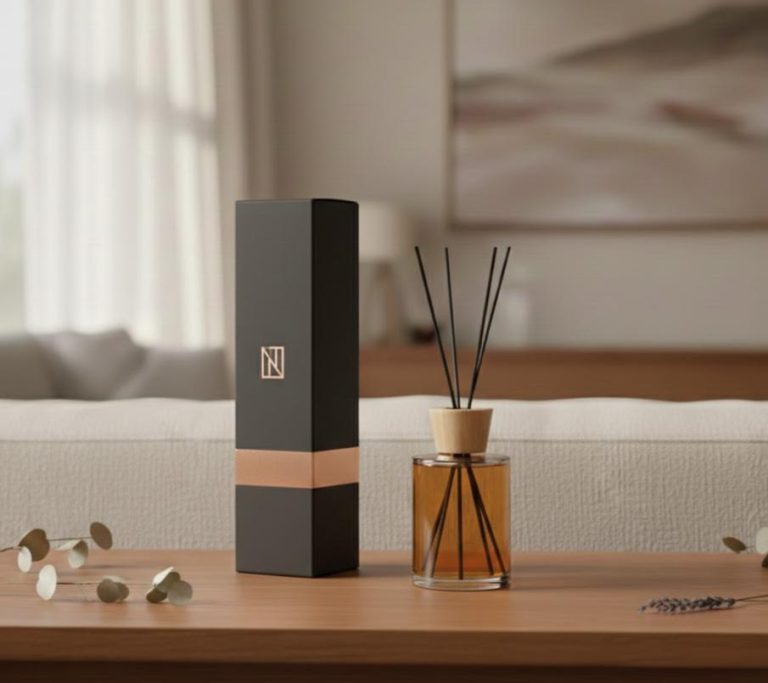

Choosing the right reed diffuser box packaging for export is not a “pick a nice-looking box” decision. A reed diffuser is a fragile, mixed-material product (glass bottle + liquid + reeds) that must survive long-distance transportation, comply with sustainability expectations, and still look premium on a retail shelf. If you’re selling through distributors, gift channels, or e-commerce in the EU/US, your packaging must balance protection, presentation, compliance, and cost control—all at once.
This guide breaks the decision into practical steps, with structures, materials, and procurement tips you can apply whether you are developing reed diffuser packaging boxes for a new launch or scaling diffuser boxes wholesale for multiple markets.
Start with export realities: product risk + channel + market expectations
Before selecting any reed diffuser box style, answer three questions:
A. What’s your risk profile in shipping?
Export routes typically mean multiple touches: factory → port → vessel/air → customs → warehouse → last-mile. Even when your outer carton is strong, inner movement can crack a bottle or cause leakage. Your reed diffuser box packaging must control movement and absorb shock.
B. What’s your main channel?
- Retail / gift: packaging is a “silent salesman”—you need strong shelf appeal, clean branding, and a premium unboxing.
- E-commerce: the box must be more shipping-resistant; sometimes you need a “ship-in-own-container” approach or reinforced structures.
- Distributor bulk: packaging must be consistent and cost-effective at scale; you’ll care more about specs, QC, and lead times.
C. What do buyers expect in your target market?
- EU buyers commonly ask for credible sustainability signals (e.g., FSC paper) and dislike unnecessary plastic.
- US buyers often prioritize shelf impact and gifting aesthetics.
- Global chains care about consistency, defect rate, and supplier reliability more than “creative talk.”
Choose a box structure that matches the diffuser set (bottle + reeds)
Your boxes for reed diffusers need to protect two components with different failure modes: the bottle breaks, and the reeds bend/snap. Structure matters more than paper thickness alone.
Common structures for reed diffuser packaging
- Folding carton (paperboard box)
Best for: mid-range products, high-volume, efficient shipping
Watch-outs: needs a well-designed insert; otherwise, bottle movement causes damage. - Rigid box (set-up box / premium paper box)
Best for: premium retail, gifting, strong unboxing
Watch-outs: higher cost and shipping volume; must be designed to avoid “false premium” (pretty outside, weak inside). - Drawer box / magnetic closure box
Best for: luxury positioning, brand storytelling
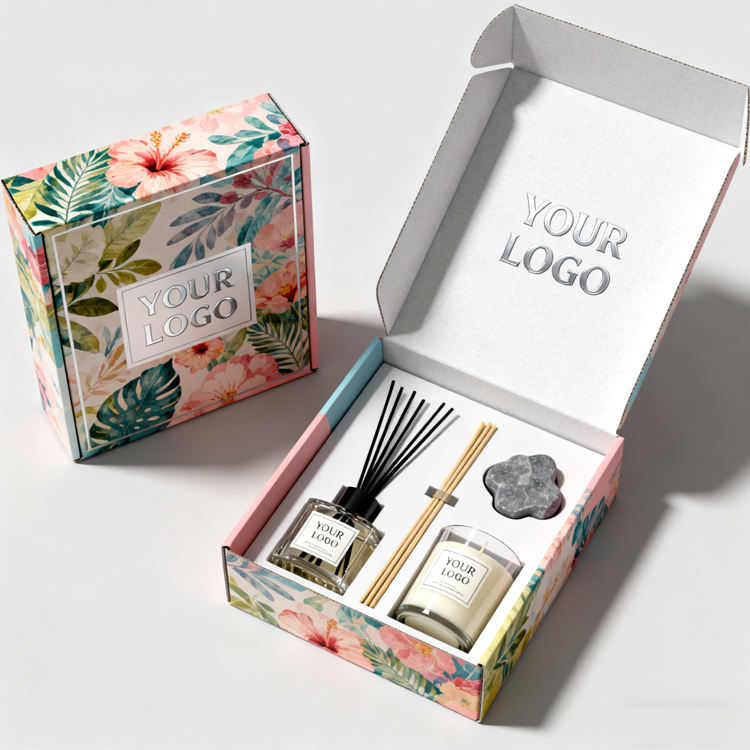
Watch-outs: magnets/material choices may affect recyclability messaging; the structure must lock the insert firmly. - Combo set box (bottle + reeds + accessory compartment)
Best for: complete kits, gift sets, multiple SKUs
Watch-outs: internal partitioning must prevent reed friction and bottle contact.
The key: internal insert design
A good insert is not decoration—it’s your insurance policy. The insert should:
- Fix the bottle position (no lateral movement)
- Create clearance so the glass doesn’t touch the rigid edges
- Separate the reeds from the bottle body to avoid abrasion
- Prevent cap rubbing that can scratch or loosen closures
Materials & ESG: make sustainability practical, not just a slogan
For export markets, especially in Europe, sustainability is increasingly tied to brand trust. But “eco-friendly” claims without substance can backfire. Instead, build your reed diffuser packaging around verifiable choices.
Practical sustainable choices that buyers understand
- FSC-certified paper for your box and printed components
- Paper-based inserts (instead of plastic trays) were feasible
- Right-sizing (reduce empty space → lower shipping volume and damage risk)
Branding and “reed diffuser packaging ideas” that sell internationally
A lot of reed diffuser packaging ideas focus on looks but ignore how international buyers evaluate a brand: consistency, legibility, and shelf differentiation.
What works well for export markets
- Clear hierarchy: brand → scent name → volume → key claim (e.g., “FSC paper box” if true)
- Retail-ready surfaces: scuff resistance matters for long routes and warehouse handling
- Color control: your brand color must not drift between batches
Finish selection: pick what matches your price point
- Entry / mid: matte varnish, spot UV for highlight
- Premium: foil + emboss, textured paper, multi-layer inserts
- Eco-premium: uncoated textured paper + restrained foil, paper inserts
The goal isn’t “more processes,” it’s coherent brand positioning. A packaging partner that offers “brand-centric packaging solutions” and design support is useful when you need to convert a marketing brief into a manufacturable box.
Custom vs wholesale: when to use diffuser boxes wholesale strategically
Many buyers search for diffuser boxes wholesale because they want speed and cost control. Wholesale options can be smart—but only if you manage fit and protection.
When wholesale makes sense
- You’re testing a new scent line with uncertain volume
- You need a quick replenishment for a distributor
- You have standardized bottle sizes across SKUs
JERL notes a flexible model: standard items can ship within about 3 working days, and standard products can support small-batch needs. This kind of capability is useful if your sales are seasonal.
When should you go for custom reed diffuser box packaging
- Your bottle shape is unique (square/round shoulders, thick glass base)
- You need a premium unboxing to justify price
- You’ve had damage claims or leakage complaints
- You need consistent branding across multiple regions
A decision table you can use (structure × channel × budget)
| Decision factor | Best-fit option | Why it works | Typical risk if chosen wrong |
| Export damage risk high | Rigid box + engineered insert | Strong walls + controlled movement | Overpaying for “premium” without protection |
| High-volume retail | Folding carton + strong insert | Lower cost, scalable | Bottle movement if insert is weak |
| Gift / premium branding | Drawer/magnetic rigid box | Strong unboxing & shelf appeal | Mixed materials may complicate ESG story |
| Fast restock needs | diffuser boxes wholesale / standard sizes | Short lead time | Poor fit if bottle dimensions vary |
| EU sustainability focus | FSC paper + paper insert | Clear procurement signal | “Greenwashing” if claims aren’t verifiable |
Common mistakes that cause returns (and how to prevent them)
- Choosing a beautiful box with no insert engineering
Fix: design the insert around bottle + cap + reed bundle, not “standard cavities.” - Ignoring tolerances (glass bottles vary slightly batch-to-batch)
Fix: leave controlled clearance; avoid tight friction fits. - Over-finishing at the wrong price point
Fix: match finishing to MSRP and channel; invest first in protection. - Sustainability claims without certification
Fix: use FSC paper if you claim responsible sourcing, and document it.
Conclusion: a practical checklist for choosing reed diffuser box packaging
To choose the right reed diffuser box packaging for export markets, focus on what actually prevents losses and supports growth:
- Structure: pick folding carton vs rigid based on channel and price point
- Insert engineering: lock the bottle + protect reeds—this is non-negotiable
- Materials: align with ESG expectations (FSC paper where needed)
- Branding: consistent print/finishing; packaging should sell without overselling
- Procurement strategy: use diffuser boxes wholesale for speed, custom for differentiation
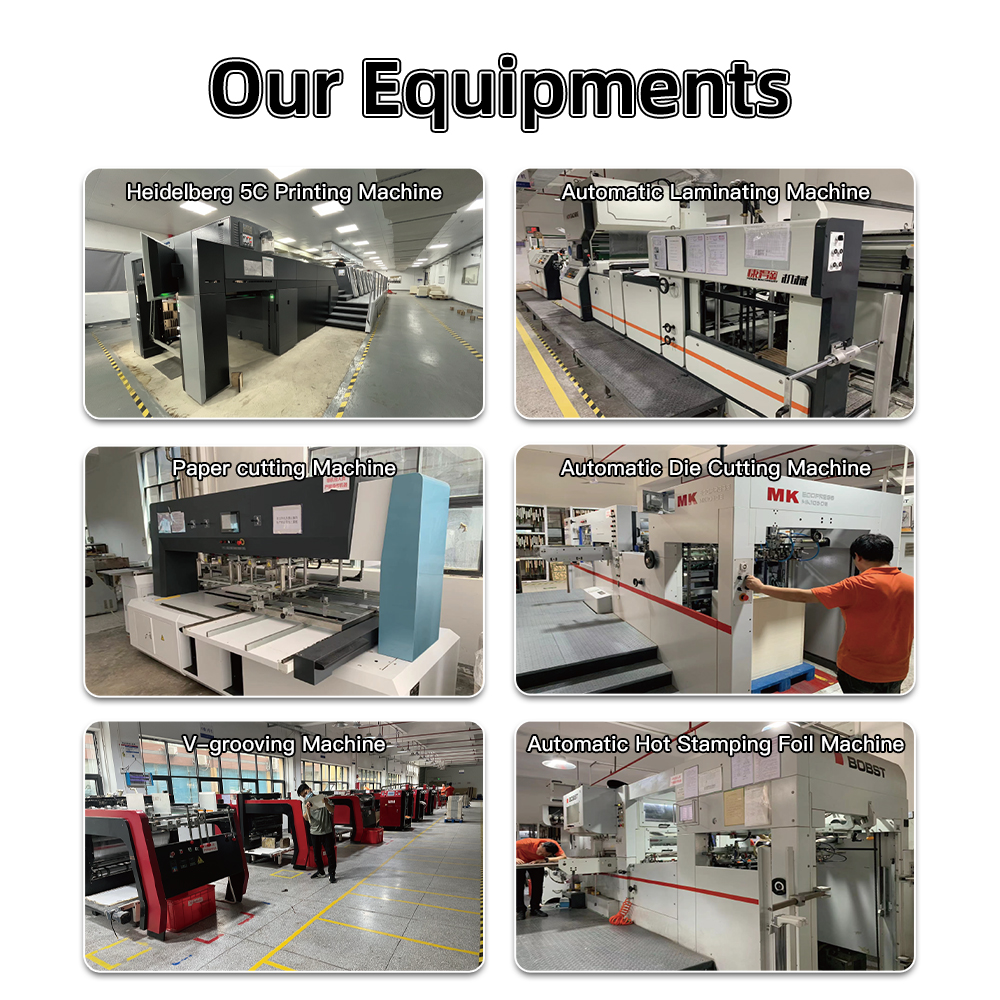
- Supplier evaluation: confirm QC, workflow, certification, and production capability
Custom doesn’t have to mean “slow.” JERL Packaging’s sampling can take 3–5 working days, and custom production is often 7–15 working days after sample approval (depending on complexity and quantity). Use these numbers as a benchmark when comparing suppliers.