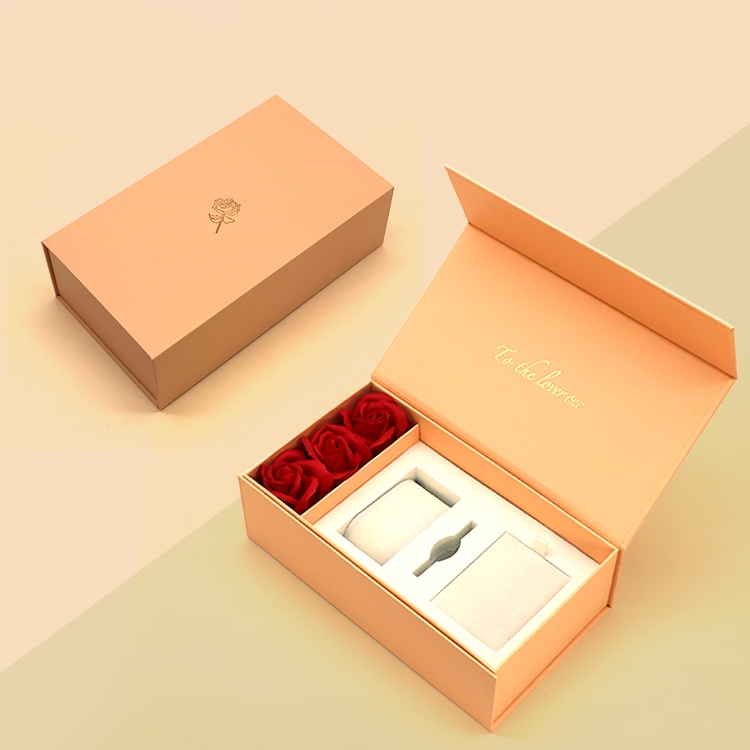

Overview of Common Jewelry Bag Materials
When selecting a carry bag, the choice of material plays a critical role. It directly affects protection, visual appeal, and how well the packaging aligns with brand positioning. A well-designed jewelry dust bag helps protect fine pieces from dust, minor surface abrasion, and limited moisture exposure. This protection is essential for preserving the appearance and condition of valuable jewelry.
At the same time, material choice influences durability, tactile experience, and perceived product value. Common materials used include suede, satin, cotton, and occasionally linen or blended fabrics. Each option offers distinct strengths and limitations, making material selection highly dependent on usage scenarios and brand goals.
Suede Jewelry Bags: Texture and Luxury
Characteristics of Suede as a Jewelry Bag Material
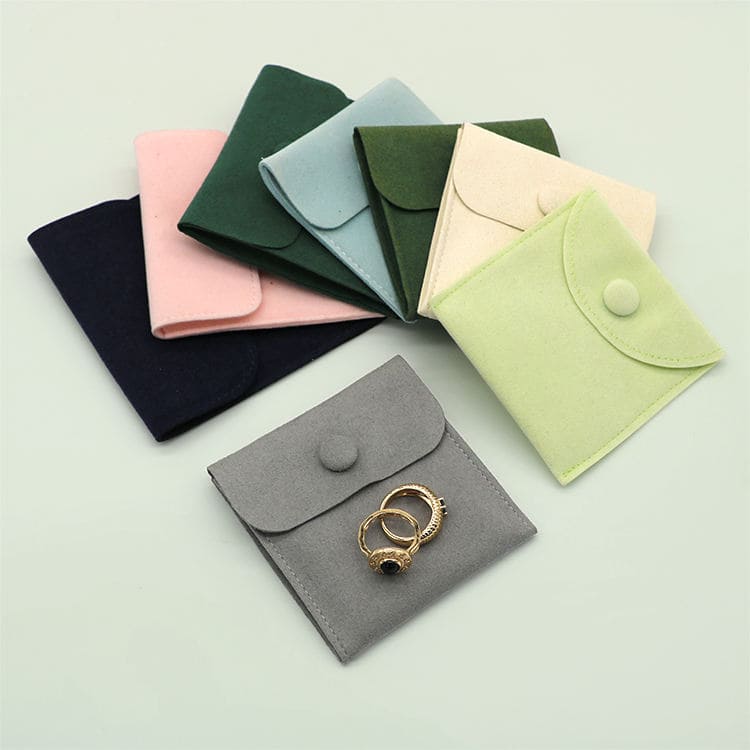
Suede is widely associated with luxury due to its soft, velvety surface and refined appearance. The brushed texture provides gentle cushioning, helping reduce surface marks on delicate items. Because of this, suede jewelry bags are frequently used for rings, earrings, brooches, and other small valuables. Many premium jewelry retailers rely on suede packaging to enhance the unboxing experience and convey exclusivity.
However, suede features open fibers that readily absorb moisture. In humid environments or when exposed to liquids, suede can stain or lose its visual appeal. This characteristic makes it less suitable for long-term storage in damp conditions.
Advantages and Limitations of Suede Bags
From a branding perspective, suede significantly elevates perceived value and complements high-end positioning. Luxury jewelry brands often choose suede to communicate craftsmanship and attention to detail.
At the same time, suede requires careful maintenance. It attracts dust, shows wear more easily, and is more vulnerable to water damage than tightly woven fabrics. Cleaning typically involves dry methods such as light brushing or specialized suede tools. Washing is not recommended.
Satin Jewelry Bags: Gloss and Sophistication
Features That Define Satin in Jewelry Dust Bags
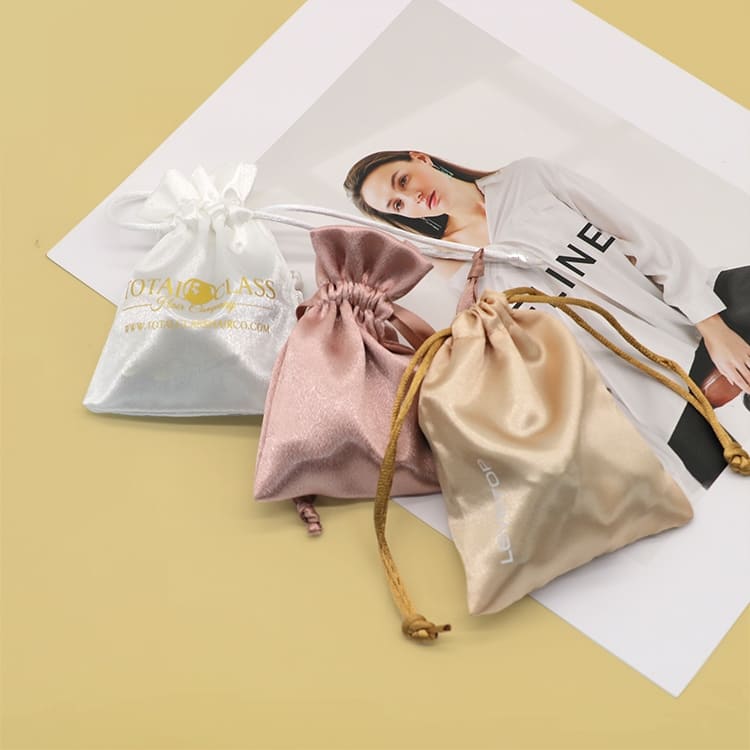
Satin is recognized for its smooth surface and natural sheen, creating a polished and elegant presentation. This glossy appearance makes satin jewelry dust bags popular for gifting, promotional packaging, and short-term display purposes. Satin is also lightweight, allowing it to be easily integrated into larger presentation boxes or gift sets.
While its smooth texture minimizes friction against jewelry surfaces, satin provides minimal structural padding. As a result, its protective capability is limited compared to thicker or textured materials.
Pros and Cons of Using Satin for a Jewelry Carry Bag
Satin excels in situations where visual impact is the primary concern. It enhances brand elegance and photographs well for retail displays and online listings.
On the downside, satin fabrics are prone to snagging, seam stress, and wear over time, particularly around drawstrings and stitched edges. For this reason, satin jewelry carry bags are better suited for occasional use or as an inner lining within more protective outer packaging.
Cotton Jewelry Bags: Practicality Meets Eco-Friendliness
The Role of Cotton in Functional Jewelry Bag Design
Cotton remains one of the most widely used materials for jewelry dust bags due to its balance of durability, breathability, and affordability. Unlike many synthetic fabrics, cotton allows air circulation, which helps reduce moisture buildup. At the same time, it effectively protects jewelry from dust and light abrasion.
Brands that prioritize sustainability, reusability, and everyday functionality often prefer cotton jewelry bags. Cotton also supports a wide range of customization options, including printing and embroidery, without compromising performance.
Benefits and Drawbacks of Cotton-Based Bags for Jewelry Storage
Cotton bags are easy to maintain and well-suited for repeated use. Many designs are machine washable, making them ideal for long-term storage, travel, and customer reuse. From a cost perspective, cotton offers reliable performance with minimal replacement requirements.
However, cotton lacks the inherent luxury appearance of suede or satin and wrinkles easily. For retail presentation, ironing may be needed. High-end brands often enhance cotton bags with premium printing, decorative stitching, or heavier fabric weights to improve aesthetics.
Comparing Material Performance Across Use Cases
Durability Across Daily Use and Travel Scenarios
Material selection should be based on practical usage rather than appearance alone.
| Material | Protection Level | Water Resistance | Durability | Best Use Case |
|---|---|---|---|---|
| Suede | Moderate surface protection | Poor | Moderate | Luxury gifting and collectibles |
| Satin | Low physical protection | Low | Low | Decorative display and short-term gifting |
| Cotton | High dust and abrasion resistance | Moderate | High | Storage, travel, and repeated use |
Suede offers gentle surface protection but performs poorly in humid or high-contact environments. Satin delivers visual appeal with limited durability. Cotton provides the most consistent performance for frequent handling and transport.
Visual Appeal Versus Protective Functionality in a Bag of Jewelry
Jewelry packaging often involves trade-offs. Suede emphasizes tactile luxury, satin focuses on visual elegance, and cotton prioritizes durability and practicality. Understanding these differences allows brands to align packaging choices with customer expectations and product value.
Selecting the Right Material Based on Purpose and Brand Identity
Matching Material Choice With Brand Positioning in the Market
Luxury-focused brands often favor suede or satin to reinforce exclusivity and elevate perceived value. These materials are commonly used for fine jewelry collections and limited editions.
Brands with sustainability goals or high-volume distribution needs frequently choose cotton. It reflects environmental responsibility while supporting daily use. Many packaging manufacturers offer suede, satin, and cotton options in custom sizes, colors, and finishes to maintain a consistent brand identity.
Recommendations Based on Intended Use of the Jewelry Carry Bag
For Retail Display or Gifting
Satin and suede are ideal when first impressions and presentation are the top priorities.
For Everyday Storage or Travel
Cotton provides superior durability, breathability, and ease of care, making it suitable for frequent use.
For High-End Collectibles
Suede offers a balance of refined appearance and gentle surface protection in controlled environments.
Maintenance Tips by Material Type for Long-Term Use
Caring for Suede, Satin, and Cotton Jewelry Dust Bags
Suede
Keep away from moisture and clean using specialized suede brushes to maintain texture and appearance.
Satin
Spot clean gently with mild detergent and avoid sharp objects that may cause snags or pulls.
Cotton
Machine wash in cool water with mild detergent. Light pressing may be required before retail presentation.
Consistent quality checks during material selection and production help ensure long-term performance across all fabric types.
Final Thoughts on Choosing the Ideal Bag of Jewelry Material
Selecting the right material for a jewelry carry bag requires balancing aesthetics, protection, and brand messaging. Each fabric serves a distinct purpose.
Use suede to convey luxury and exclusivity.
Choose satin for elegant presentation and gifting.
Opt for cotton when durability, sustainability, and everyday practicality are priorities.
By understanding material characteristics, brands and buyers can make informed packaging decisions that align with product positioning and customer expectations.
FAQs
Which jewelry carry bag material performs best in humid climates?
Cotton is generally the most suitable option for humid environments because its breathable structure helps reduce moisture buildup compared to suede or satin.
Are custom logo printing and sizing possible on cotton jewelry bags?
Yes. Cotton jewelry bags support screen printing, heat transfer, and embroidery, making them highly adaptable for branded and custom packaging programs.
Is suede suitable for long-term jewelry storage?
Suede is best used for short-term storage or premium display. For long-term storage, especially in variable climates, cotton offers more consistent protection.
Can satin jewelry dust bags protect items during shipping?
Satin alone provides limited impact protection. It is better used as an inner presentation layer rather than as primary packaging for transport.
What is the most cost-effective material for bulk jewelry packaging orders?
Cotton is typically the most cost-effective choice for bulk orders due to its durability, reusability, and lower maintenance requirements.